
Roof replacement pricing in Indiana depends on the actual roof and proposed work. Measurements, slope, access, materials, tear-off, decking, flashing, and ventilation all affect the estimate. A generic online range cannot establish the price for your home.
That range is broad for a reason. A simple one-story ranch in Greenwood is not priced like a steep two-story home in Carmel with multiple valleys, skylights, chimney flashing, and hidden decking damage. The best way to protect your budget is to understand what actually drives roof replacement cost before you compare estimates.
Quick Answer: What Should Indiana Homeowners Budget?
A project-specific written estimate is needed. Roof measurements, materials, removal, access, flashing, ventilation, and concealed damage can all affect the price.
- Basic asphalt shingles: often the lowest upfront cost, but not always the best long-term value.
- Architectural shingles: the most common upgrade for Indiana homes because they balance cost, curb appeal, and durability.
- Impact-resistant shingles: higher upfront cost, but useful in hail-prone areas and sometimes eligible for insurance discounts.
- Metal roofing: higher initial investment, longer lifespan, and strong performance in snow, wind, and heavy rain.
The only accurate price comes after a roof inspection because hidden layers, soft decking, ventilation problems, and flashing details can change the scope quickly.
Why Roof Replacement Cost Varies So Much in Indiana
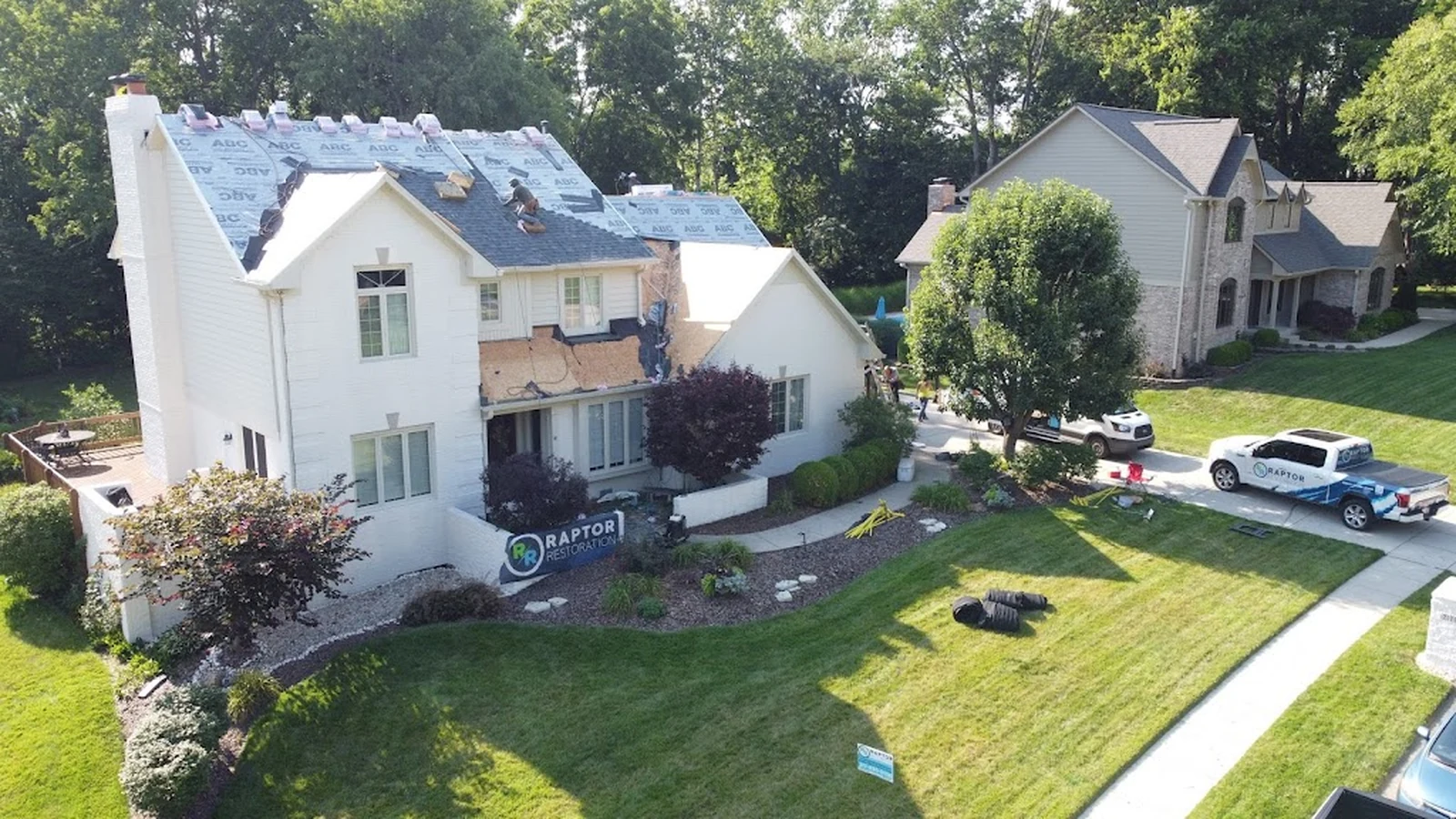
Roof replacement is not priced by one simple number. Two homes with the same living square footage can have very different roof surface areas. One may have a low-slope gable roof with easy access. Another may have steep pitches, dormers, multiple valleys, a chimney, skylights, and two layers of old shingles that need to be removed.
Indiana weather adds another layer. Roofs around Indianapolis, Carmel, Fishers, Greenwood, Noblesville, Zionsville, and surrounding communities deal with spring hail, high winds, freeze-thaw cycles, humid summers, ice dams, and heavy rainfall. A good roof replacement quote should account for those conditions instead of only pricing shingles and labor.
Average 2026 Roof Replacement Cost by Material
The table below gives homeowners a practical planning range. It is not a quote, and it should not replace an inspection. It is a starting point for understanding why one estimate may look very different from another.
| Roofing material | Typical installed cost range | Best fit | What to watch |
|---|---|---|---|
| Basic asphalt shingles | Often lower upfront cost | Budget-focused replacements and simpler rooflines | Shorter lifespan and less storm resistance than upgraded systems |
| Architectural asphalt shingles | Priced from the measured roof and complete installation scope | Most Central Indiana homes | Installation quality, ventilation, and flashing details matter as much as shingle selection |
| Impact-resistant shingles | Higher than standard architectural shingles | Homes in hail-prone neighborhoods or owners planning long-term durability | Ask your insurance carrier whether any discount applies before choosing the system |
| Standing seam or premium metal roofing | Often significantly higher than asphalt | Long-term ownership, modern curb appeal, strong weather performance | Panel quality, trim details, fasteners, and installer experience are critical |
If you are comparing shingles to metal, start with Raptor’s guide to metal roofing in Indianapolis and Central Indiana. If you are still deciding whether the roof is near the end of its useful life, read how long a roof lasts in Indiana before you commit to a replacement timeline.
Roof Size: The Biggest Cost Driver
Roofers do not price by interior living square footage alone. They price by the roof surface area, usually measured in roofing squares. One roofing square equals 100 square feet of roof surface. A 2,000-square-foot home may have more than 2,000 square feet of roof surface because roof pitch, overhangs, garages, porches, and complex designs add area.
This is why online calculators can be useful for a ballpark but frustrating when you need a real number. They may not see the steep rear slope, the extra garage section, the chimney cricket, or the second layer of shingles. A professional inspection and measurement give you a much more reliable budget.
Raptor Takeaway
When comparing estimates, make sure every contractor is pricing the same roof surface area, same tear-off scope, same shingle class, same underlayment, same ventilation approach, and same warranty level. A lower number is not always a lower total cost if key items are missing.
What Is Included in a Quality Roof Replacement Quote?
Start with our Indianapolis roof replacement estimate guide, then use the roofing estimate comparison checklist to see whether competing proposals include the same work. Pay particular attention to decking allowances and the written warranty terms.
A strong estimate should show more than a final price. It should explain what is being removed, what is being installed, and how the contractor will protect your home. For Indiana homeowners, the details below can make the difference between a roof that performs for years and one that needs repairs too soon.
1. Tear-off and disposal
Removing old shingles takes labor, equipment, and disposal planning. If your roof has more than one layer, the project usually takes more time and may reveal hidden issues once the old material comes off. A complete tear-off also lets the crew inspect the decking, replace compromised wood, and install the new system properly.
2. Decking repair or replacement
Soft, rotten, or delaminated decking cannot support a long-lasting roof system. Decking damage often hides under old shingles until tear-off begins. A trustworthy quote should explain how decking replacement is priced if damaged sections are found.
3. Underlayment and ice-and-water protection
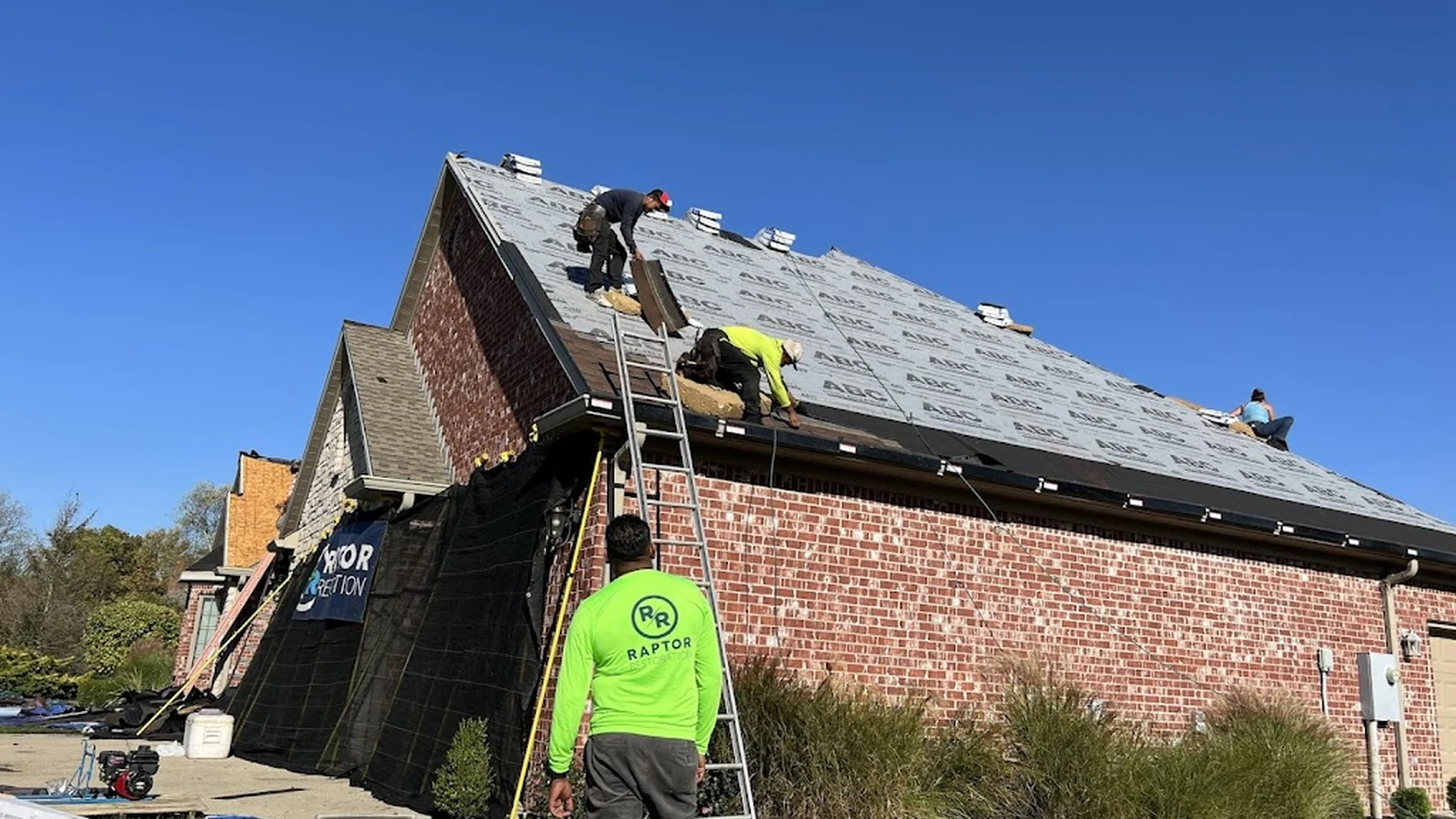
Underlayment protects the roof deck beneath the shingles. Ice-and-water shield is especially important in vulnerable areas such as eaves, valleys, chimneys, skylights, and penetrations. In Indiana, freeze-thaw cycles and wind-driven rain make these details more than optional extras.
4. Flashing around chimneys, walls, skylights, and vents
Many roof leaks start at transitions instead of in the middle of an open shingle field. Chimneys, walls, valleys, pipe boots, bathroom vents, and skylights all need careful flashing. If a quote does not mention these areas, ask how they are handled.
5. Ventilation and attic airflow
Ventilation affects roof life. Poor airflow can trap heat and moisture in the attic, baking shingles from below and encouraging condensation problems. If your home has ice dams, musty attic odors, rusty nails, or uneven roof aging, ask whether the replacement should include ventilation improvements. Raptor also offers attic insulation services in Indianapolis for homeowners solving comfort and roof performance together.
6. Gutters, drip edge, and water management
A new roof still needs good drainage. Damaged or undersized gutters can push water back toward fascia, soffits, siding, and the foundation. If your gutters are sagging, leaking, or overflowing, it may be smart to coordinate gutter replacement with the roofing project.
How Roof Complexity Changes the Final Price
Roof complexity is one of the biggest reasons estimates vary. A simple roof is faster to tear off, easier to stage, and easier to install. A complex roof requires more labor and more detail work.
Common complexity factors include:
- Steep roof pitch that requires extra safety setup
- Multiple valleys, hips, dormers, and roof transitions
- Chimneys, skylights, solar tubes, and roof penetrations
- Difficult driveway or jobsite access
- Two or more layers of existing shingles
- Detached garages, porches, and additions
- Hidden decking damage or ventilation problems
A good contractor should be able to walk you through these items in plain language. You should not have to guess why your quote landed where it did.
Will Insurance Cover Roof Replacement in Indiana?
Raptor Roofing can document visible roof conditions and explain the proposed construction work. Your insurer determines coverage, payment, deductibles, and claim requirements under your policy.
If you suspect storm damage, document what you can safely see and arrange an inspection. Ask your insurer about reporting deadlines and required documentation; a contractor cannot determine claim eligibility.
Start with a free roof inspection if you are unsure whether you have repairable damage, insurance-related damage, or a roof that is simply reaching the end of its service life.
Repair vs. Replacement: Which Makes More Sense?
Not every roof problem means you need a full replacement. A small flashing leak, a few missing shingles, or a localized pipe boot issue may be repairable if the rest of the roof is healthy. Replacement makes more sense when damage is widespread, shingles are brittle, granule loss is heavy, decking is compromised, or the roof is already near the end of its expected life.
Here is a simple way to think about it:
- Repair may make sense when the roof is relatively young and the damage is isolated.
- Replacement may make sense when the roof is older, leaking in multiple areas, missing many shingles, or showing widespread deterioration.
- An inspection is essential when storm damage may be involved because the surface can look acceptable while the shingles have hidden impact damage.
For seasonal prevention, use the spring roof maintenance checklist for Central Indiana homeowners to catch minor issues earlier.
How to Compare Roof Replacement Estimates
Homeowners often compare roof quotes by price alone. That can be risky. A cheaper quote may leave out ice-and-water protection, starter shingles, ridge cap, ventilation updates, flashing replacement, decking allowances, cleanup, warranty details, or permit handling.
Before choosing a contractor, compare these items line by line:
- Is the quote based on measured roof surface area?
- How many shingle layers are being removed?
- Which shingle brand, style, and warranty are included?
- What underlayment and ice-and-water shield are specified?
- How are valleys, chimneys, skylights, and wall flashing handled?
- How is rotten or damaged decking priced?
- Will ventilation be inspected or improved?
- Are gutters, drip edge, and cleanup included?
- Is the contractor local, insured, and experienced with Indiana weather?
- Who communicates with you before, during, and after installation?
How Financing Changes the Budget Conversation
Ask about currently available financing options. Approval, rates, fees, payment amounts, and other terms are determined by the lender and your financing agreement.
The key is to compare the total project value, not only the monthly payment. Make sure you understand the interest rate, promotional terms, payoff timing, fees, and whether the financed quote includes the same materials and workmanship as a cash quote.
What Can Make a Roof Replacement More Expensive?
Some cost increases are visible before the project begins. Others show up after the old roof comes off. The most common price increases come from hidden decking damage, multiple shingle layers, steep pitch, premium material upgrades, complicated flashing, poor attic ventilation, and drainage issues.
That does not mean every roof replacement will grow beyond the initial quote. It means the contractor should explain the possibilities before work starts. Surprises are easier to handle when the pricing method is clear.
What Can Help Keep Costs Under Control?
The best way to control roof replacement cost is to avoid waiting until the roof is actively failing. Emergency leaks, saturated decking, damaged insulation, interior water stains, and mold concerns can all add cost beyond the roof itself.
You can protect your budget by:
- Scheduling inspections after major hail or wind events
- Fixing small leaks before decking and insulation are damaged
- Keeping gutters clear so water moves away from roof edges
- Choosing the right shingle level for how long you plan to own the home
- Coordinating roof, gutter, attic, and exterior work when it makes sense
- Getting a detailed estimate instead of relying on a quick verbal number
Best Roof Replacement Value for Central Indiana Homes
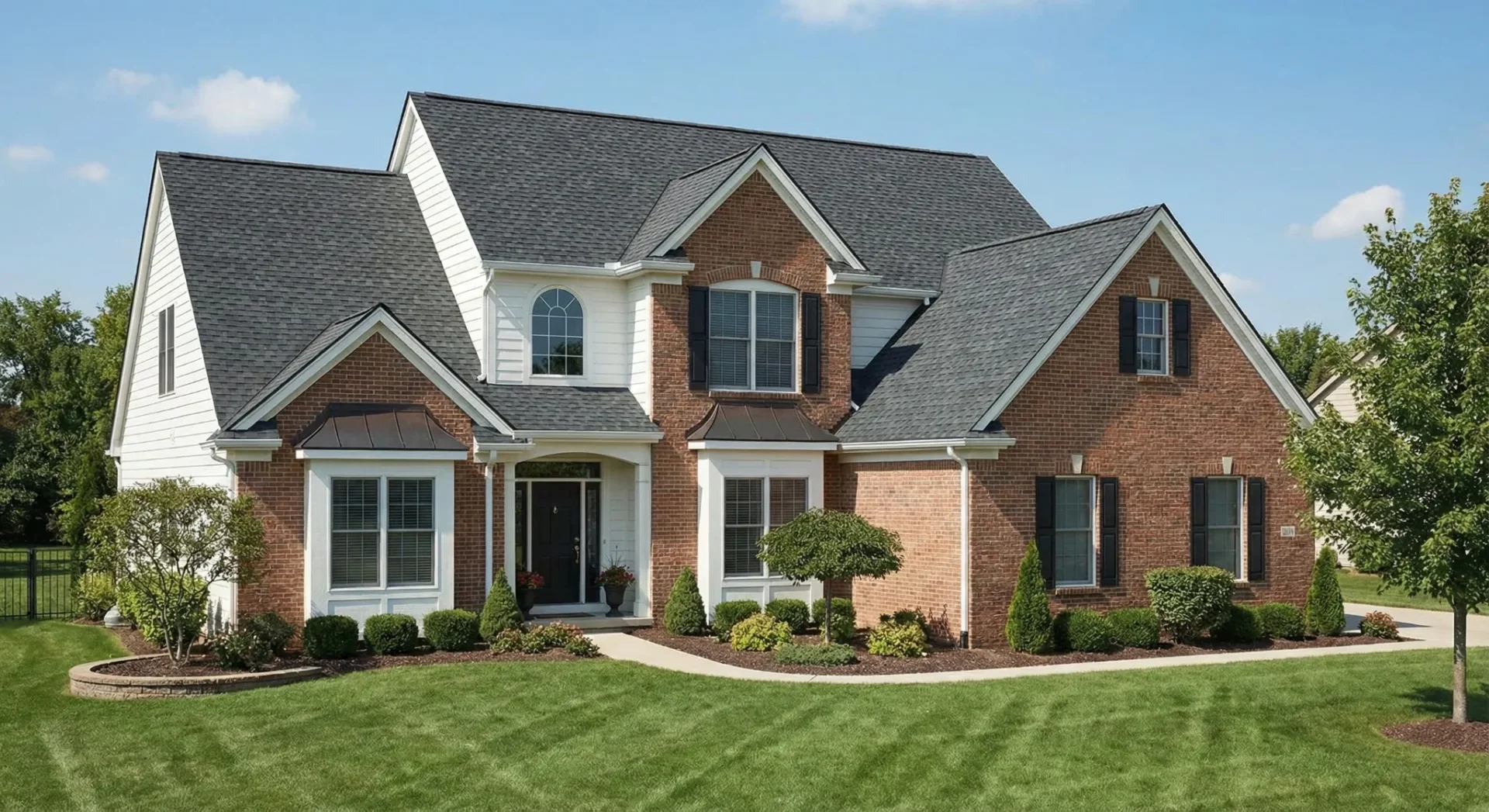
For many Central Indiana homeowners, architectural asphalt shingles offer the best balance of price, curb appeal, and performance. They look better than basic three-tab shingles, usually offer better durability, and work well across many Indianapolis-area neighborhoods.
That said, the best value depends on the home and the homeowner. If you plan to stay in the home long-term, premium shingles or metal roofing may make sense. If you are preparing to sell, a clean architectural shingle roof in a timeless color may deliver the curb appeal buyers expect. If your home has repeated hail exposure, impact-resistant shingles may deserve a closer look.
Color matters, too. When replacement is on the table, use Raptor’s guide to the best roof colors for Central Indiana homes so the new roof improves the whole exterior, not just the top of the house.
When Should You Schedule a Roof Replacement Estimate?
Schedule an estimate when your roof is leaking, missing shingles, losing heavy granules, showing storm damage, approaching the end of its expected life, or creating repeated repair bills. You should also schedule one before listing a home if the roof is likely to become an inspection issue.
If you are not sure whether replacement is necessary, start with an inspection rather than guessing. A good inspection can tell you whether you need a repair, a maintenance plan, insurance documentation, or a full replacement estimate.
Frequently Asked Questions
How much does a roof replacement cost in Indiana in 2026?
A project-specific written estimate is needed. Roof measurements, materials, removal, access, flashing, ventilation, and concealed damage can all affect the price.
How much does a new roof cost in Indianapolis?
A new roof in Indianapolis can vary widely because homes differ in size, access, pitch, and roof complexity. A smaller simple asphalt shingle roof may be much less than a large steep roof with multiple valleys, skylights, chimney flashing, and damaged decking. Raptor Roofing can inspect the roof and provide a clear local estimate.
Is roof replacement priced by house square footage?
Not exactly. Roofers price by roof surface area, usually measured in roofing squares. One roofing square equals 100 square feet of roof surface. Pitch, overhangs, garages, porches, dormers, and valleys can make the roof surface area larger than the home’s living square footage.
Will insurance pay for a roof replacement?
Raptor Roofing can document visible roof conditions and explain the proposed construction work. Your insurer determines coverage, payment, deductibles, and claim requirements under your policy.
Are architectural shingles worth it in Indiana?
For many Central Indiana homes, architectural shingles are worth considering because they typically offer better appearance and durability than basic three-tab shingles while staying more affordable than many premium systems. The best choice depends on the home, roof design, budget, and how long you plan to own the property.
What should a roof replacement quote include?
A clear quote should include roof measurements, tear-off scope, shingle type, underlayment, ice-and-water shield, flashing details, ventilation, drip edge, cleanup, warranty information, and how damaged decking will be priced if discovered during tear-off.
How long does roof replacement take?
Many residential roof replacements can be completed in one to three days, but timing depends on roof size, weather, pitch, material, crew access, and hidden repairs. Larger or more complex homes can take longer.
Get a Clear Roof Replacement Number
Your home deserves an estimate based on its condition and the proposed scope. Raptor Roofing can discuss roof replacement options, the work included, and questions to resolve before you approve a project.
If you are budgeting for a new roof, start with an inspection and a clear estimate.
Considering metal instead of another shingle roof?
Compare metal proposals line by line so a different system, tear-off plan, or warranty does not hide behind the total.