
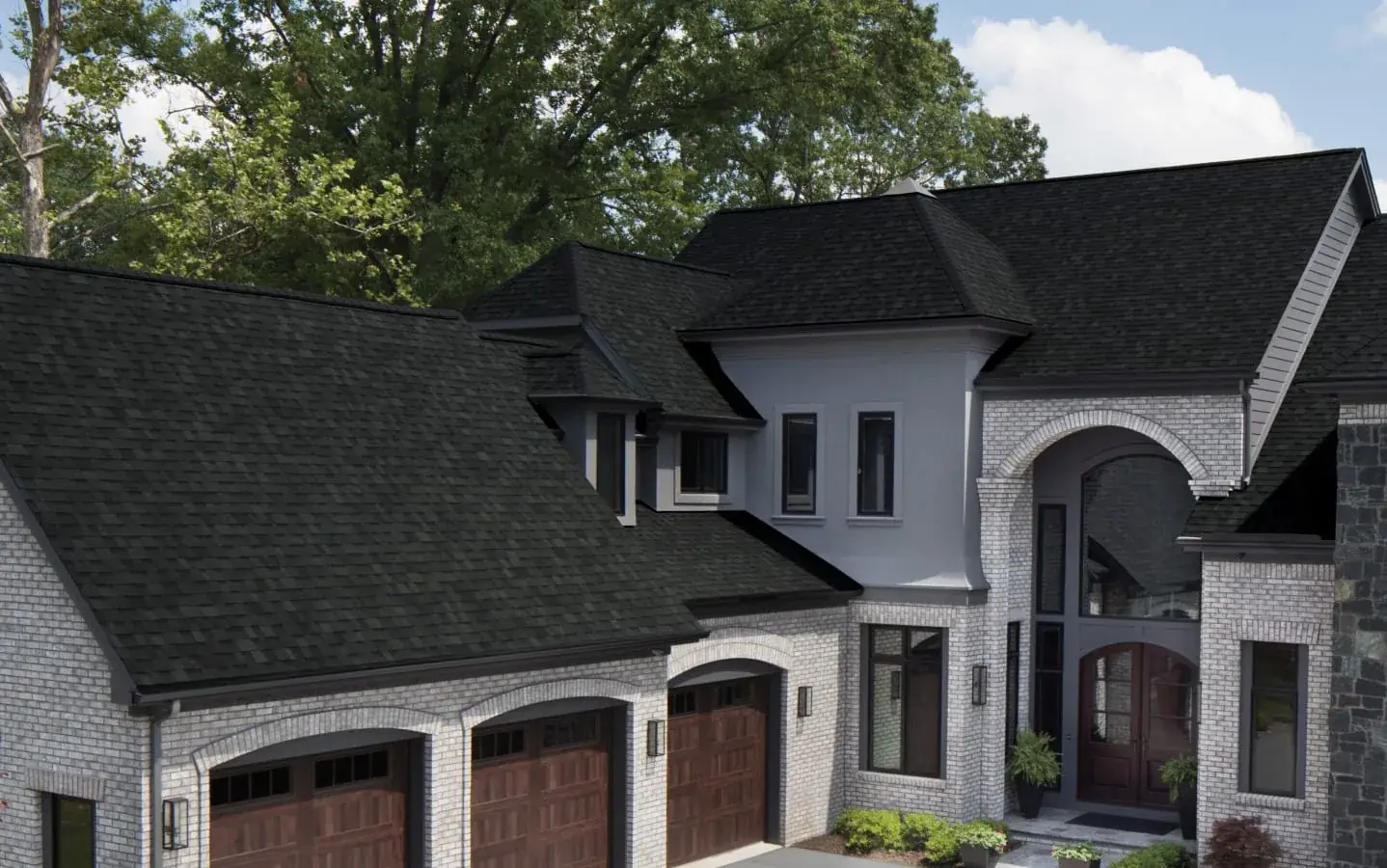
Know the condition.
Understand the roof before choosing the work.
See your options.
Compare repairs, materials, and the complete scope.
Move forward clearly.
Know what happens next, from scheduling to cleanup.
Built around your home
A roof plan should fit the way Greenfield homes actually live.
The most useful roofing recommendation is grounded in the home, the neighborhood, the drainage pattern, and the type of weather exposure the property actually sees.
Greenfield Parks describes the Pennsy Trail as a 5.6-mile paved rail trail following the old Pennsylvania Railroad line through Greenfield.

Greenfield official materials highlight city services, utilities, parks, wastewater, and street departments, underscoring the role of infrastructure in home exterior planning.
The community combines historic neighborhoods, trail-connected areas, and rural-edge growth, so roofing recommendations should consider age, exposure, and drainage together.
Downtown GreenfieldPennsy Trail sideNational RoadRiley Park areaI-70 corridorState Road 9Morristown PikeRural Hancock County edge
How the recommendation gets localized
Raptor does not treat every Greenfield roof like the same address.
For homeowners near Downtown Greenfield, Pennsy Trail side, National Road, Riley Park area, the inspection starts with the roof’s visible condition, but it does not stop there. Raptor looks at the age of the roof, the way the house sits on the lot, where water leaves the gutters, and whether nearby trees, open wind, traffic corridors, or neighborhood drainage patterns are changing how the system performs.
Homes around I-70 corridor, State Road 9, Morristown Pike, Rural Hancock County edge may need a different conversation even when the symptom sounds similar. A ceiling stain, loose shingle, or overflowing gutter can point to a mix of historic, trail, weather issues, so the recommendation has to connect the visible problem with the exterior conditions around that exact property.
That is why the service plan may include roof replacement for greenfield homes; roof repair for active leaks; exterior support after storms. The goal is not to sell the biggest project. The goal is to explain what is failing, what is still serviceable, and which roof, gutter, siding, window, or attic details should be handled now so the homeowner is not forced into rework later.
What matters here
Greenfield roofing issues are rarely just about shingles.
Roof age, storm exposure, gutter performance, attic ventilation, siding transitions, and nearby trees all shape the right recommendation.
Older Greenfield homes may need flashing and decking review
Historic
Chimneys, porches, older decking, and previous repairs can all change whether a leak is repairable or whether replacement planning makes more sense.
Tree cover and trail corridors can add moisture and debris
Trail
Shaded roof planes, clogged gutters, moss, and slow-drying shingles are common exterior concerns around mature green corridors.
Open Hancock County weather can be hard on roof edges
Weather
Wind-driven rain and hail can affect shingles, ridge caps, vents, gutters, and siding. Documentation helps homeowners understand the full damage pattern.
Raptor services in Greenfield
Roofing and exterior care, planned together.
A strong exterior plan should explain how each part of the home affects the next. Raptor keeps the recommendation focused on what the inspection shows and what will protect the home over time.
Clear scope beats guesswork.
Homeowners should understand what is being repaired, what is being replaced, and which related details should be watched or handled at the same time.

Roof replacement for Greenfield homes
Raptor reviews materials, decking, underlayment, ventilation, flashing, gutters, drip edge, and project cleanup so the roof is built as a system.
Roof repair for active leaks
Leaks around vents, pipe boots, chimneys, flashing, valleys, or storm-lifted shingles can sometimes be repaired when the roof still has useful life.
Exterior support after storms
Raptor can review gutters, siding, windows, fascia, and attic clues along with the roof so storm damage is not evaluated in pieces.
Inspection depth
What Raptor looks for on a Greenfield roof.
Greenfield inspections should handle historic details, trail-side moisture, and open-county storm exposure in one visit.
Raptor checks shingle condition, ridge caps, valleys, vents, pipe boots, flashing, chimneys, soft metals, and signs of wind or hail damage.

For older homes near downtown or National Road, the team looks closely at decking, flashing transitions, low-slope additions, and areas where previous repairs may have changed drainage.
For trail-side or rural-edge properties, the inspection follows gutter flow, debris patterns, shaded slopes, downspout discharge, and storm exposure across open roof planes.
Downtown homes
Older flashing, chimneys, porches, and decking deserve careful source tracing.
Pennsy Trail areas
Tree cover, debris, and slow-drying roof planes can change maintenance needs.
Rural edges
Open wind, hail, and long roof planes can create subtle damage patterns.
Local homeowner scenarios
When Greenfield homeowners usually call Raptor.
The best next step depends on what the home is showing, what the weather recently did, and how the surrounding property handles water.
After a storm along I-70
Raptor documents shingles, soft metals, gutters, vents, siding, and interior evidence in one organized report.
When a trail-side roof stays damp
The inspection checks shade, moss, gutter blockage, and ventilation before recommending next steps.
Before replacing an older roof
Decking, flashing, ventilation, and gutter upgrades can be planned while the roof is open.
The Raptor process
A clear process for Greenfield homeowners.
Greenfield homeowners deserve a roof process that is easy to follow. Raptor documents the roof, explains the exterior details, and keeps the project organized from inspection through cleanup.
01
Inspect
Review shingles, flashing, penetrations, gutters, attic indicators, ventilation, drainage, and visible storm effects.
02
Document
Capture photos and notes so the recommendation is grounded in what is actually happening at the property.
03
Explain
Walk through repair, replacement, storm damage, and related exterior options in plain language.
04
Complete
Coordinate schedule, property protection, installation details, cleanup, and final walkthrough.
Helpful answers
Questions homeowners ask before they schedule.
These answers are meant to help you decide what to do next before a Raptor specialist looks at the property.
Do you serve Greenfield and Hancock County?
Yes. Raptor serves Greenfield, Pennsy Trail-area homes, National Road neighborhoods, I-70 areas, and nearby Hancock County communities.
Can you inspect older Greenfield homes?
Yes. Raptor reviews chimneys, porch tie-ins, flashing, decking, and previous repair areas.
Can tree cover affect roof life?
Yes. Shade, debris, moss, algae, and gutter blockage can shorten roof life or hide leaks.
Do you document hail damage?
Yes. Raptor documents shingles, gutters, soft metals, vents, siding, and interior clues.
Can you repair instead of replace?
Yes, when the damage is isolated and the roof still has useful service life.
Can you handle gutters, siding, and windows?
Yes. Raptor provides roofing, gutters, siding, windows, attic insulation, storm support, and commercial roofing.
Keep exploring
One team. More ways to care for your home.
A simpler way forward
Book a Greenfield roof inspection.
Schedule a free Greenfield roof inspection and get a practical plan for repair, replacement, storm damage documentation, gutters, siding, windows, or attic insulation.
Prefer to talk? Call (317) 886-0696 or email Raptor Roofing.
Planning a replacement? Explore available financing options.
Roof repair guidanceReplacement planningStorm damage documentationExterior system review