
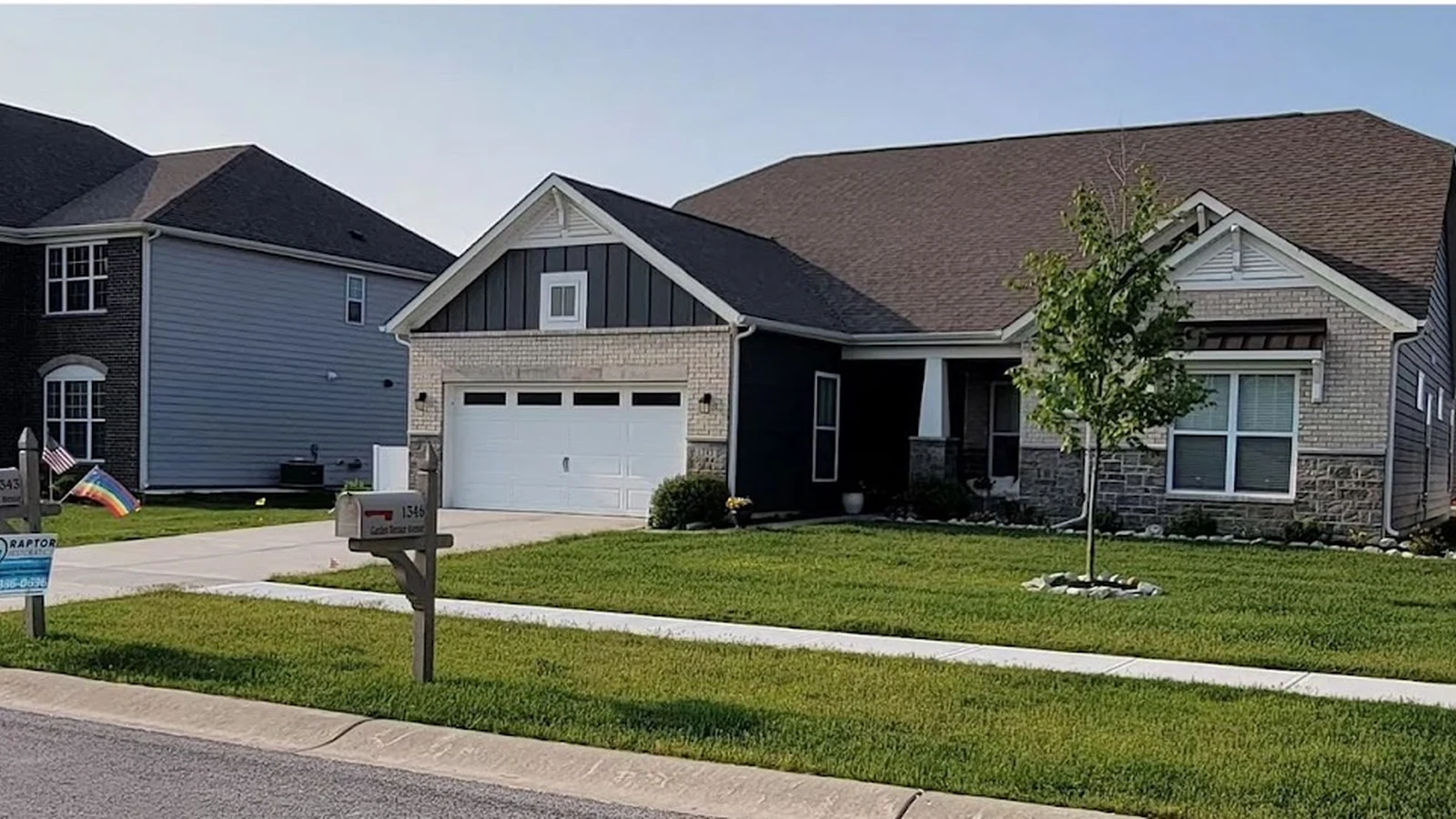
Indiana roofs work hard. They deal with humid summers, hail, heavy rain, freeze-thaw cycles, gusty spring storms, and long stretches of winter moisture. That means a roof in Indianapolis or Central Indiana often ages differently than a roof in a milder climate. If you are wondering how long your roof should last, the real answer depends on the material, the quality of installation, ventilation, storm exposure, and how quickly small problems get addressed.
Roof age is useful background, but condition matters more than a generic lifespan chart. This guide explains what to review on shingle, metal, and low-slope roofs and when an inspection may help you plan.
Roof Service Life: What to Review by Material
| Roof type | Useful records to bring | What affects longevity most |
|---|---|---|
| Asphalt shingle roof | Installation date, shingle product, repair history, and warranty documents | Attic ventilation, storm damage, shingle grade, installation quality |
| Standing seam or exposed fastener metal roof | Panel system, finish, installation date, maintenance records, and warranty documents | Panel system quality, fastener condition, flashing details, maintenance |
| Flat or low-slope commercial roof | Roof assembly, membrane product, leak locations, repairs, and rooftop work records | Drainage, ponding water, membrane type, seams, maintenance schedule |
Service life varies with the exact product, installation, maintenance, roof design, and weather exposure. An inspection can assess visible condition but cannot promise how long the roof will last.
What affects an asphalt shingle roof’s condition
Asphalt shingles are a common residential option. Their condition depends on the product, installation, attic conditions, maintenance, and weather exposure. Review wear and repairability rather than assuming a replacement date from age alone.
Bring the installation date, product information, previous inspection reports, and repair invoices to the assessment. Record visible changes from the ground and note when leaks or stains appeared. Ask the roofer to distinguish observed wear or damage from conditions that need further investigation. For an Owens Corning roof, the manufacturer’s roofing document library provides product and maintenance information; use the documents for your specific shingles.
If you are unsure about your roof’s condition, request a roof inspection and ask for the findings, photos, accessible areas, and limitations in writing. Our fall roof checklist can help you organize ground-level observations before the visit.
What affects a metal roof’s condition
Metal roofs require a review of the panels, seams or fasteners, finish, flashing, and penetrations. A material label alone does not establish remaining service life.
Maintenance needs differ between standing seam and exposed-fastener systems. Ask which components need periodic checks, how repairs would be made, and what snow or ice considerations apply to your roof.
If you are comparing replacement options, our guide to metal roofing in Indianapolis and Central Indiana is a helpful starting point.
What affects a low-slope roof’s condition
Low-slope roofs need attention to membrane condition, seams, flashing, rooftop equipment, drainage, and moisture beneath the surface. The findings should guide repair or replacement planning.
Give the roofing contractor a record of leak locations, recent rooftop equipment work, earlier repairs, and drainage concerns. Ask which areas were inspected and whether additional investigation is needed to understand concealed moisture or the existing assembly. For an EPDM repair proposal, use our estimate checklist and printable worksheet to compare the findings and proposed scope.
If you own or manage a low-slope system, periodic inspections and proactive repairs usually extend service life and reduce emergency costs. For building owners, our commercial roofing services in Indianapolis cover inspections, repairs, coatings, and replacement planning.
What Makes Roofs Age Faster in Indiana
- Hail and wind: Storm damage is one of the fastest ways to shorten a roof’s life, especially when small impacts go unnoticed.
- Freeze-thaw cycles: Water works into weak points, freezes, expands, and makes flashing and shingle damage worse.
- Poor attic ventilation: Excess heat and trapped moisture can bake roofing materials from below.
- Clogged gutters: Backed-up water can damage roof edges, fascia, and underlayment over time.
- Delayed repairs: A minor leak or lifted shingle is often inexpensive early and costly later.
Ventilation and insulation matter more than many homeowners realize. Proper attic airflow and insulation help control temperature swings and moisture buildup, which is one reason attic insulation and ventilation improvements can support overall roof performance.
Signs Your Roof May Be Nearing the End of Its Life
- Shingles are curling, cracking, sliding, or losing heavy amounts of granules.
- You see repeated leaks, ceiling stains, or moisture in the attic.
- Flashing around vents, chimneys, or walls is separating or rusting.
- The roof has visible storm damage, bruising, or patched areas across multiple slopes.
- Your roof is approaching its expected age range and repairs are becoming more frequent.
Age alone does not always mean replacement is due, but age plus visible wear is a strong reason to schedule an inspection. Many Indiana homeowners benefit from documenting roof condition before the next major storm season arrives.
Should You Repair or Replace?
Ask the contractor to explain the extent of the problem, whether the affected materials can be repaired, and what remains outside the proposed work. Compare repair, partial replacement, or full replacement when those options are practical. Review the findings, total scope, exclusions, and maintenance responsibilities rather than choosing from the roof’s age alone.
If replacement is proposed, ask which decking, flashing, ventilation, and drainage items are included and how concealed conditions will be handled. Read about roof replacement planning, then use the free roofing estimate comparison worksheet to line up the scope of each proposal.
How to Help Your Roof Last Longer
- Schedule inspections after major storms and at regular intervals as the roof ages.
- Keep gutters clear so water moves away from the roofline efficiently.
- Trim back overhanging branches that can scrape shingles or drop debris.
- Address leaks, flashing problems, and missing shingles early.
- Make sure attic ventilation and insulation are supporting the roofing system.
Use the product manufacturer’s care instructions and your inspection findings to plan maintenance. Keep dated records of repairs and changing conditions, and use qualified help for roof access, tree work, or work around electrical equipment.
The Bottom Line
Service life varies with the exact product, installation, maintenance, roof design, and weather exposure. An inspection can assess visible condition but cannot promise how long the roof will last.
If your roof is aging or showing warning signs, the smartest move is not guessing. It is getting a professional opinion before the next leak or storm turns a manageable issue into a larger project. Raptor Roofing helps homeowners across Indianapolis and Central Indiana understand whether repair, maintenance, or replacement makes the most sense for their roof right now.
For a clearer view of your roof’s condition, request an inspection. Use any online estimate as a starting point and confirm the proposed scope and price in writing.
Metal roof life depends on more than the panel
Attachment, finish, flashings, ventilation, maintenance, storm exposure, and warranty terms shape the ownership timeline.