
Metal roofing decisions for Indiana homes

Metal Roofing in Indiana

Choose the roof system before you compare the price. Raptor Roofing helps you compare the system, installation plan, ownership details, and written warranty before the headline price takes over the conversation.

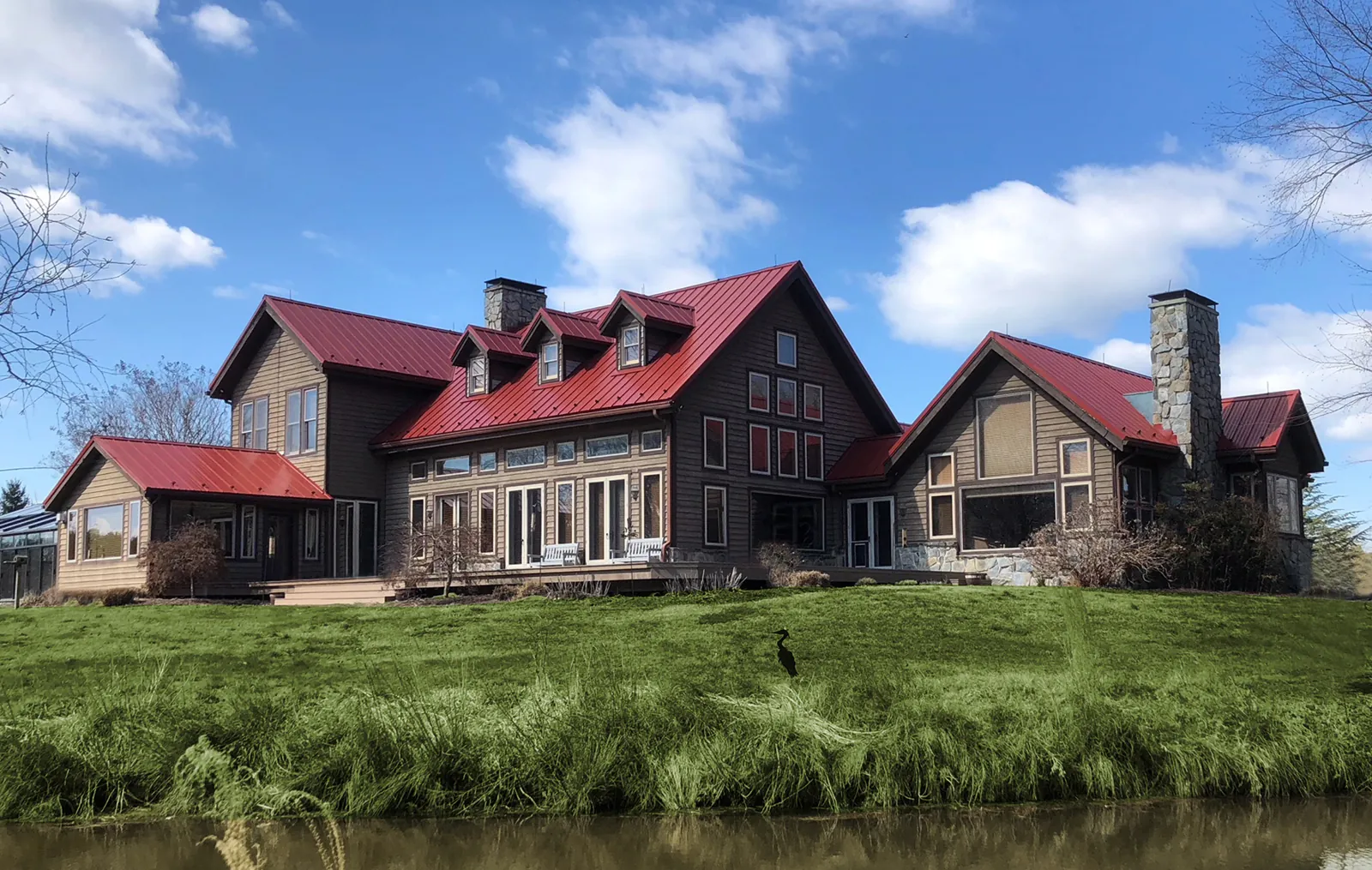
Aerial view of a home with an EDCO ArrowLine steel roof
Manufacturer product example; photo courtesy of EDCO.

Start with the decision

A metal roof is not one product with one price.

Standing seam, exposed-fastener panels, metal shingles, and stone-coated steel can all be called “metal roofing,” yet they attach differently, move differently, look different, and create different maintenance and warranty expectations. A meaningful recommendation starts with your roof shape, deck, flashing details, attic, budget, and how long you expect to own the home.

Quick answer: For many primary residences, concealed-fastener standing seam is the premium benchmark. Traditional-looking metal shingles or stone-coated steel can be a better architectural fit. Exposed-fastener panels may suit simpler structures or a tighter initial budget. The right answer is the system that fits the home and is fully detailed in writing.

Assembly

What is underneath the metal?

Deck condition, separation layers, underlayment, ice protection, ventilation, and flashing details are part of the roof—not optional fine print.

Compare overlay and tear-off

Responsibility

Who stands behind each part?

Product, finish, weathertightness, and workmanship coverage may come from different documents and different parties.

Read the warranty guide

Six decisions before a contract

Use the question that matches where you are right now.

These guides are arranged around the decisions Indiana homeowners make immediately before requesting an estimate, comparing proposals, or approving a roof system. Each one leads back to the same goal: a roof-specific recommendation with the important details visible.

Quote review

What does the price actually include?

Compare system type, tear-off, deck assumptions, underlayment, flashing, trim, ventilation, finish, warranty, and exclusions—not just totals.

Compare metal roof quotes

Fastener choice

Concealed or exposed attachment?

See how fastener location affects thermal movement, maintenance, appearance, roof runs, and initial price.

Compare the two systems

Existing shingles

Overlay or remove the old roof?

Learn why code permission is only one part of the decision and when uncovering the deck is worth the added work.

Evaluate an overlay

Warranty review

What happens if something fails?

Separate coating performance from leaks, labor, flashings, transfer rules, maintenance, and contractor workmanship.

Read warranty fine print

Storm questions

What do impact ratings really mean?

Understand dents, coating damage, functional failure, documentation, and the policy questions that matter before a storm.

Review hail and insurance questions

System comparison

Four broad metal roof families can create four very different proposals.

Roof family What homeowners notice Questions worth asking
Standing seam Vertical seams, clean roof planes, and concealed attachment. Many systems accommodate thermal movement through clips or concealed fastening details. Which panel profile and seam? What metal and finish? How will long runs, valleys, dormers, penetrations, and snow retention be detailed?
Exposed-fastener panels Visible rows of screws with sealing washers. Often a lower initial price and common on simpler buildings, additions, and utility structures. What is the residential application? How are panel length and movement handled? What inspection and fastener maintenance should the owner expect?
Metal shingles Smaller interlocking pieces that can resemble shingles, slate, or tile while using a metal substrate. How do pieces interlock? How are valleys and penetrations repaired? Which accessories, finish warranty, and installer qualifications apply?
Stone-coated steel Dimensional profiles with mineral granules that can suit traditional architecture and soften the appearance of metal. How are panels attached and walked on? How are chips repaired? What happens if a future repair needs a color match?

Raptor also maintains focused overviews for standing seam metal roofing and stone-coated steel roofing. Those product-family pages explain appearance and fit; the decision guides above help you compare the details that change price and ownership.

A quote you can audit

A complete proposal should let another professional understand the roof.

Generic square-foot prices are useful for early budgeting, but they cannot show how the contractor will treat a chimney, a low-slope porch, a long valley, a bathroom vent, damaged decking, or an existing roof layer. The Metal Roofing Alliance notes that premium metal can cost roughly two to three times an asphalt roof and recommends an in-person estimate. That is a broad planning range, not a price for your home.

  • Exact system: manufacturer, profile, panel width, metal type, thickness or gauge where relevant, finish, and color.
  • Existing roof: tear-off or overlay, number of layers, disposal, deck assumptions, and a written unit price or approval process for hidden repairs.
  • Water control: compatible underlayment, ice protection, eaves, valleys, sidewalls, headwalls, chimneys, skylights, and every penetration.
  • Roof performance: intake and exhaust ventilation, panel movement, snow and gutter coordination, plus any low-slope transitions.
  • Closeout: permits, property protection, cleanup, completion photos, product documents, workmanship coverage, and change-order rules.

Indiana installation details

The roof has to work through heat, freezing weather, wind-driven rain, hail, and snow movement.

Metal expands and contracts with temperature. Snow can release from a smooth roof surface in concentrated slides. Ice protection, flashing geometry, panel clips or fasteners, ventilation, and compatible materials all need to work as one assembly. The point is not to sell fear; it is to make the details visible before installation.

Eaves and valleys

Plan for ice and concentrated water

Indiana guidance and product instructions shape where ice barriers and underlayments belong. Valleys, low-slope transitions, and roof-to-wall details deserve their own drawings or clear scope language.

Entrances and gutters

Plan where snow and ice can release

Snow retention is a system, not a few accessories scattered over a panel. Entrances, walkways, lower roofs, equipment, landscaping, and gutter attachment all affect placement.

Attic and deck

Control heat and moisture at the assembly level

Air sealing, insulation, ventilation, deck condition, compatible underlayment, and metal details matter more than a blanket claim about noise or energy savings.

Raptor’s metal roof process

Get a recommendation that can survive questions.

1. Inspect

Document the roof and attic

Review roof geometry, slopes, layers, visible deck clues, flashings, ventilation, penetrations, drainage, access, storm exposure, and the home’s architecture.

2. Compare

Choose a system before a color

Compare standing seam, exposed-fastener panels, metal shingles, stone-coated steel, asphalt alternatives, and mixed-metal accent options where they make sense.

3. Scope

Write the important details down

Identify removal, deck contingencies, underlayment, ice protection, flashing, ventilation, panel or shingle profile, trim, finish, cleanup, and warranty responsibilities.

4. Install

Photograph concealed work

Deck repairs, membranes, flashing laps, penetrations, clip or fastener patterns, and other details are easiest to understand before the finished roof covers them.

5. Walk through

Review the finished water paths

Inspect transitions, edges, valleys, vents, chimneys, gutters, snow-management areas, cleanup, remaining materials, and any owner maintenance instructions.

6. Close out

Keep a complete roof record

Store the proposal, change orders, invoices, product names, color, warranty documents, registration, completion photos, and future inspection records together.

Metal roofing FAQs

Straight answers to the questions homeowners ask before an estimate.

What type of metal roof is best for an Indiana home?

There is no single best system for every home. Standing seam often fits homeowners seeking concealed fasteners and a premium architectural appearance. Metal shingles or stone-coated steel can suit traditional homes. Exposed-fastener panels may fit some budgets and simpler structures. The roof shape, deck, details, ownership horizon, and maintenance expectations should decide.

How much more does a metal roof cost than shingles?

Premium metal commonly costs substantially more upfront than asphalt, but the exact difference depends on the metal system, roof geometry, tear-off, deck repairs, underlayment, trim, and finish. Compare complete scopes rather than multiplying a generic price by square footage.

Can a metal roof go over existing shingles?

Sometimes, but only after the roof, deck, number of existing layers, moisture risk, flashing plan, ventilation, code requirements, and manufacturer instructions are evaluated. Tear-off provides the clearest view of the deck and is the safer choice when hidden conditions are a concern.

Are metal roofs loud when it rains?

A residential metal roof installed over solid decking with underlayment and a normal insulated ceiling assembly is very different from a bare panel over an open building. Rain sound depends on the complete assembly, not simply the fact that the roof is metal.

Will hail dent a metal roof?

It can. Panel material, thickness, profile, supporting substrate, hail size, wind, and impact angle all matter. An impact rating is useful comparative information, but it does not promise a dent-free roof or determine whether a policy covers cosmetic change.

What should be included in a metal roof quote?

The quote should identify the exact system, panel or shingle profile, metal and finish, tear-off or overlay plan, deck assumptions, underlayment, ice protection, flashings, penetrations, ventilation, trim, cleanup, change-order rules, and each applicable warranty.

A roof-specific answer

See whether metal roofing is worth the upgrade on your specific home.

Raptor will inspect the roof, explain the systems that fit, and give you a written scope you can compare. You will know where the price comes from before you are asked to choose.

    Free roof inspection

    How should we reach you?


    Send us the basics and we’ll follow up to learn more about your roof.

    No pressure. Just clear answers and practical next steps.

    Call Now Button