
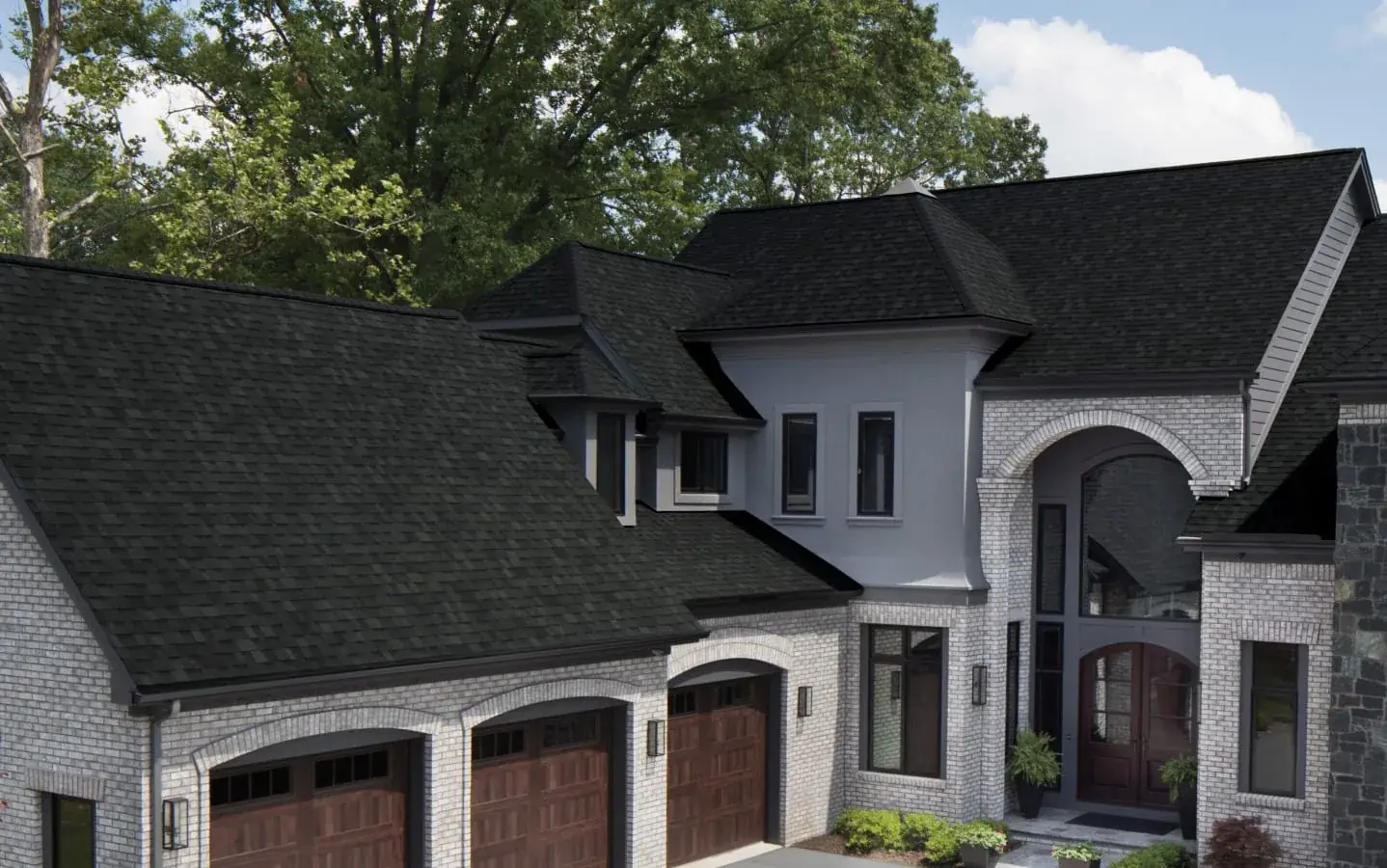
Know the condition.
Understand the roof before choosing the work.
See your options.
Compare repairs, materials, and the complete scope.
Move forward clearly.
Know what happens next, from scheduling to cleanup.
Your next step
Roof repair or replacement for your Carmel home.
A ceiling stain or damaged shingle deserves an explanation before it becomes a replacement decision. The inspection should identify the affected area and explain what can reasonably remain.
Repair may fit an isolated problem. A flashing detail, pipe boot, or small shingle area may be repairable when the adjoining materials are serviceable. Ask how the repair will connect to the existing roof and what condition will remain outside the work area. Explore our roof repair services.

Replacement deserves a complete scope. Widespread deterioration, damage across several sections, or recurring problems may call for a broader plan. The recommendation should explain why replacement is appropriate and address removal, decking, flashing, ventilation, materials, and cleanup. Review our roof replacement service for the details to discuss.
Bring earlier repair invoices, any known installation date, and notes about when leaks appear. If the cause or condition is uncertain, request a free Carmel roof inspection before choosing the scope.
Arts and Design DistrictCarmel City CenterHome PlaceVillage of WestClayClay Terrace corridorWestfield borderKeystone Parkway sideMonon Greenway area
What matters here
Understand what the roof inspection finds.
Photos are most useful when they explain the proposed work. Have the inspector connect the visible conditions to the repair or replacement recommendation.
Know where the work starts and stops
Repair
Ask to see the repair boundary on a photo. Confirm how adjoining shingles and flashing will be handled, whether matching materials are available, and what would happen if opening the area reveals more damage.
Separate storm concerns from confirmed damage
Storms
Share the storm date and what changed at the home. Raptor documents visible roof and exterior conditions and explains which findings support the proposed work. Use the photos and notes to discuss the next step for your property.
Drainage is a roof issue too
Water
Overflowing gutters, stains beneath an eave, or recurring ice at a roof edge deserve attention alongside the shingles. Tell the inspector where water collects so the roof edge, gutters, and downspout route can be reviewed together.
Raptor services in Carmel
Plan the roofing work your home needs.
A roof project may involve a focused repair, a full replacement, or related work at gutters and exterior transitions. Raptor explains what is included and which additional items deserve a separate discussion.
Compare the work behind the total.
Two estimates can cover different roof areas, materials, flashing details, and cleanup. Match those items before deciding which proposal fits your home and budget.

Choose materials with the full project in view
Compare architectural shingles, metal roofing, and any accent areas by the proposed installation, appearance, maintenance needs, and written warranty. Review samples with your brick, siding, and trim, and confirm any neighborhood approval requirements before the material order.
Repair-first inspections when appropriate
A smaller repair should address the source of the problem and connect correctly to the remaining roof. Raptor explains why the proposed area is repairable, what the work includes, and whether other conditions need monitoring or a larger plan.
Gutters, siding, and insulation as part of the same exterior system
Mention overflowing gutters, stained fascia, attic moisture, or upper-floor comfort concerns during the inspection. Ask which findings relate to the roofing scope and whether gutter, siding, or insulation work should be priced separately.
Your roof estimate
Compare your Carmel roofing estimate line by line.
A useful quote identifies the roof areas being addressed, the materials specified, and how additional work will be handled. Make those details comparable before comparing the final totals.
For replacement, confirm which sections and structures are included. A main house, attached porch, addition, and detached garage may have different materials or repair needs. Ask what roofing layers will be removed and what will remain.

Request the proposed product names and the actual warranty terms. Material-defect coverage and installation-related coverage can differ. Know who provides each warranty, what is excluded, and whom you would contact with a concern.
The final price also depends on the work beneath and around the roof covering. Use Raptor’s Indiana roof replacement cost guide to understand common cost drivers, then compare the estimate with the conditions documented at your home.
Decking and hidden damage
Confirm any included allowance, how extra decking is priced, and how photos and approval will be handled if damage is uncovered.
Flashing and transitions
Ask how chimneys, walls, valleys, skylights, and pipe penetrations are addressed. The quote should make any retained or replaced details clear.
Ventilation and drainage
Identify the ventilation and roof-edge work included. Ask which related gutter or attic concerns need separate evaluation or pricing.
The Raptor process
A clear process for Carmel homeowners.
Before installation, confirm the working-day estimate, delivery and dumpster locations, driveway access, and the contact for weather updates. Plan for pets, children, work calls, and a clear route into the home.
01
Inspect
Review shingles, flashing, penetrations, gutters, attic indicators, ventilation, drainage, and visible storm effects.
02
Document
Capture photos and notes so the recommendation is grounded in what is actually happening at the property.
03
Explain
Walk through repair, replacement, storm damage, and related exterior options in plain language.
04
Complete
Coordinate schedule, property protection, installation details, cleanup, and final walkthrough.
Helpful answers
Questions homeowners ask before they schedule.
These answers are meant to help you decide what to do next before a Raptor specialist looks at the property.
Do you work in Carmel neighborhoods with HOA or design expectations?
Yes. Share any written requirements for roof color, material, or exterior changes before making selections. Raptor can discuss the proposed finish and provide product information for your review. Confirm the approval process and timing with your association before work is scheduled.
Can you inspect for hail damage in Carmel?
Yes. Raptor inspects shingles, ridge caps, flashing, gutters, soft metals, vents, and related exterior items, then explains what the photos show.
What should a Carmel roof replacement estimate include?
Look for the roof areas included, removal scope, specified materials, flashing, ventilation, decking allowances, cleanup, and written warranty terms. Confirm how concealed damage is documented, priced, and approved, and whether related gutter or attic work is separate.
Can you help compare metal and asphalt roofing?
Yes. Compare the complete installed scope, appearance, maintenance needs, and written warranty for each option. Ask how the material fits your roof’s slope and details, and review samples against the existing exterior before deciding.
Is every leak a sign that the roof needs replacement?
No. A leak may come from an isolated shingle, flashing, or penetration problem. The source and the surrounding roof condition determine whether repair is reasonable. Ask for photos explaining the recommendation and what will remain outside the proposed work.
Do you serve Home Place, City Center, and west Carmel?
Yes. Raptor serves Carmel, Clay Township, and nearby Hamilton County communities.
Keep exploring
One team. More ways to care for your home.
A simpler way forward
Book a Carmel roof inspection.
Tell us what changed at your Carmel home: a leak, missing shingles, storm concerns, or a roof you are planning to replace. Request a free inspection to review the visible conditions, ask questions, and discuss the next step.
Prefer to talk? Call (317) 886-0696 or email Raptor Roofing.
Planning a replacement? Explore available financing options.
Roof repair guidanceReplacement planningStorm damage documentationExterior system review