Know the condition.
Understand the roof before choosing the work.
See your options.
Compare repairs, materials, and the complete scope.
Move forward clearly.
Know what happens next, from scheduling to cleanup.
Protect the property and the people in it
An organized plan for the roof over your business.
Offices, retail buildings, churches, and mixed-use properties have different roof and access needs. We start with the roof condition, interior leak reports, drainage, and the way the building operates.
Your recommendation should explain what needs attention now, what can be maintained, and what belongs in the next capital project. You get photos, practical priorities, and a scope you can discuss with your property manager or ownership team.
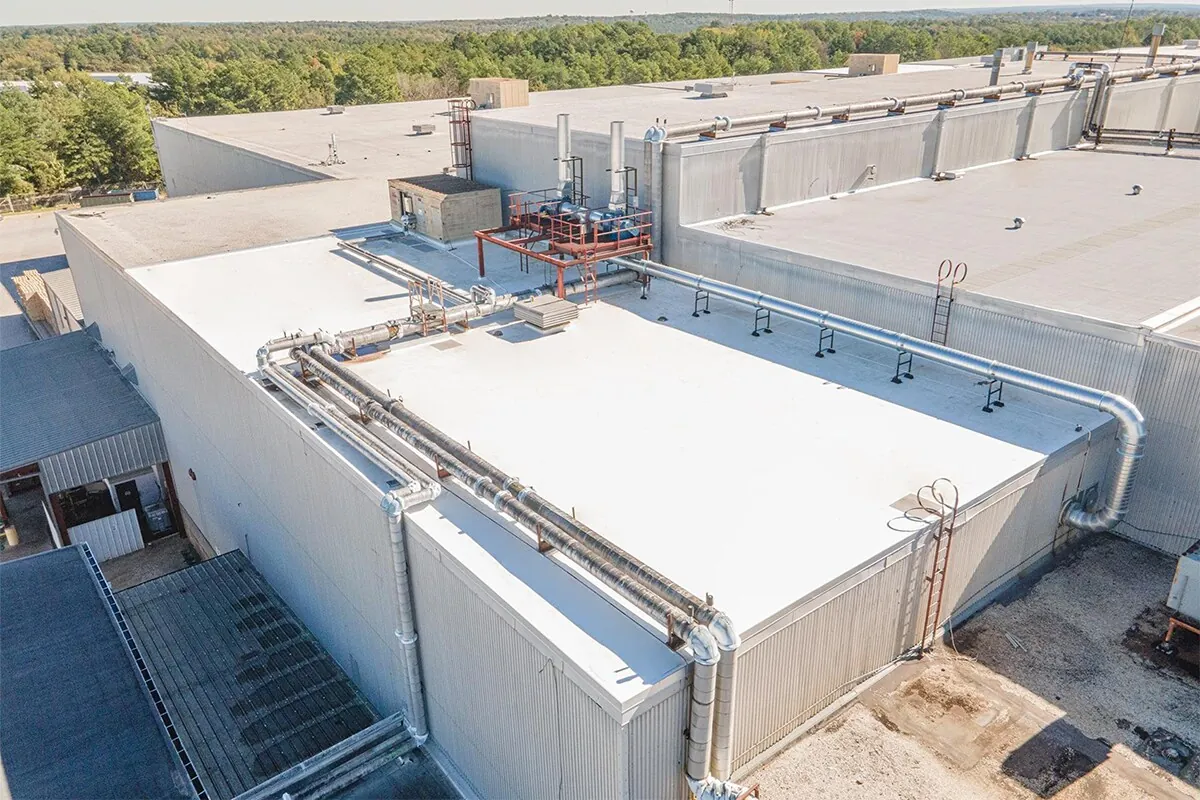
Start with what your building needs
Commercial roof repair, replacement, and care.
Commercial roof repair
Find the source of leaks around seams, penetrations, curbs, flashing, and drains. Separate an isolated repair from a larger roof problem.
Roof replacement
Compare a full removal or eligible recover approach around moisture, insulation, drainage, the selected system, and building use.
Inspections & maintenance
Document roof condition, storm indicators, repair history, and drainage so smaller concerns can be addressed before the next disruption.
Roof restoration
Evaluate whether a compatible coating can extend the use of a dry, sound roof after repairs and surface preparation.
Your building. One coordinated roofing plan.
Tell us what is happening at the property. Our team inspects the roof, recommends the right approach and roof system, and plans the work around your building, budget, and operations.
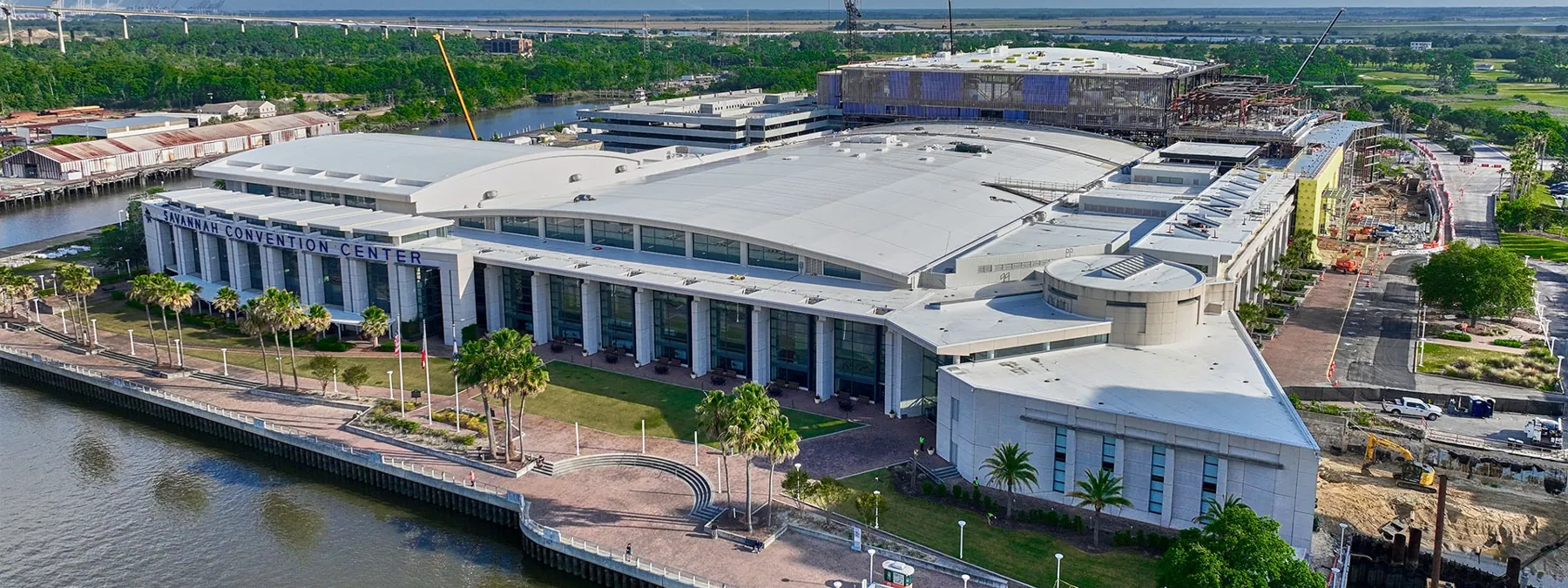

Selected for your property
Our team recommends the right roof system.
TPO
Reflective single-ply roofing with heat-welded seams. Compare the membrane, attachment, insulation, and drainage as one assembly.
EPDM rubber
A flexible rubber membrane for low-slope roofs. Pay attention to seams, flashing, shrinkage, and compatible repair materials.
PVC
A welded single-ply option worth considering when rooftop grease or chemical exposure affects the material choice.
Built-up roofing
Layered asphalt systems often found on older buildings. Moisture, previous repairs, and roof layers shape the next step.
Modified bitumen
Reinforced asphalt-based sheets for low-slope roofs, with system-specific installation and repair details.
Roof coatings
Restoration for eligible existing roofs. Substrate compatibility, dryness, preparation, and finished thickness matter.
Repair, restore, or replace
The right next step starts with the roof you have.
A material name alone cannot tell you whether a roof needs replacing. We connect visible damage, moisture, and the history of the roof before recommending the work.
When a targeted approach may fit
Localized leaks may be repaired when the roof is sound. Maintenance or compatible restoration can be considered after moisture, drainage, and surface conditions are evaluated.
When a larger plan may fit
Widespread deterioration, recurring leak damage, or saturated insulation can make a phased or complete replacement the better plan for the building.
Compare the full scope
What belongs in your roofing estimate.
A clear proposal helps you see what is included, what may change after tear-off, and how the finished roof will be protected.
01
Roof areas, current systems, and documented moisture findings
02
Removal or recover scope, insulation, and drainage improvements
03
Membrane, flashing, edge metal, and rooftop equipment details
04
Staging, tenant access, cleanup, and warranty responsibilities
Work around the business
Set expectations before the crew arrives.
Access & staging
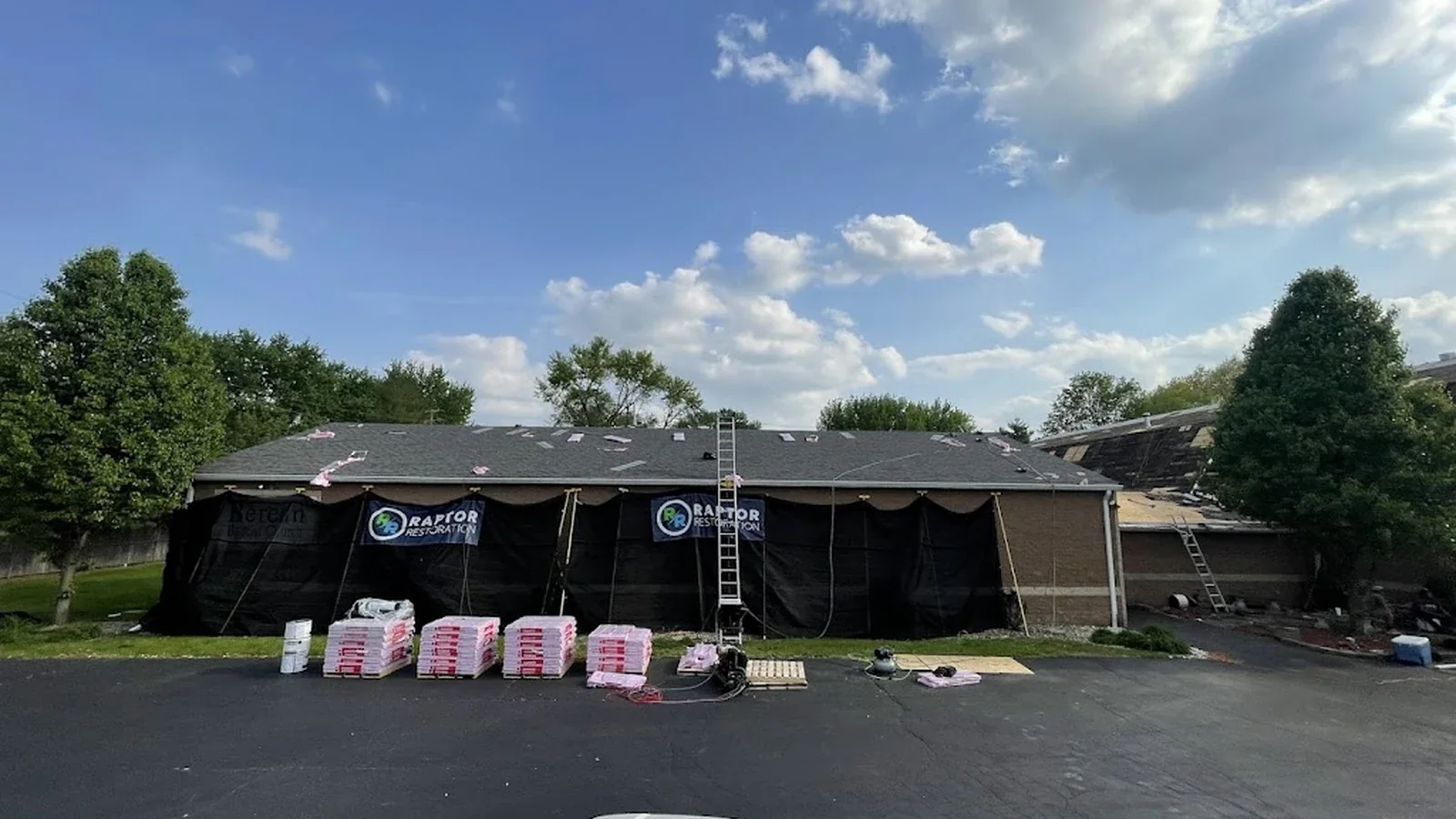
Plan material deliveries, equipment placement, roof access, parking, and protection of entrances.
People & operations
Discuss tenant notices, noise-sensitive hours, rooftop equipment service, and daily cleanup.
Weather & sequencing
Set a realistic work sequence and discuss how open roof areas will be protected during the project.
Closeout & care
Review completed work, warranty documents, drainage, and the inspection or maintenance needs of the finished system.
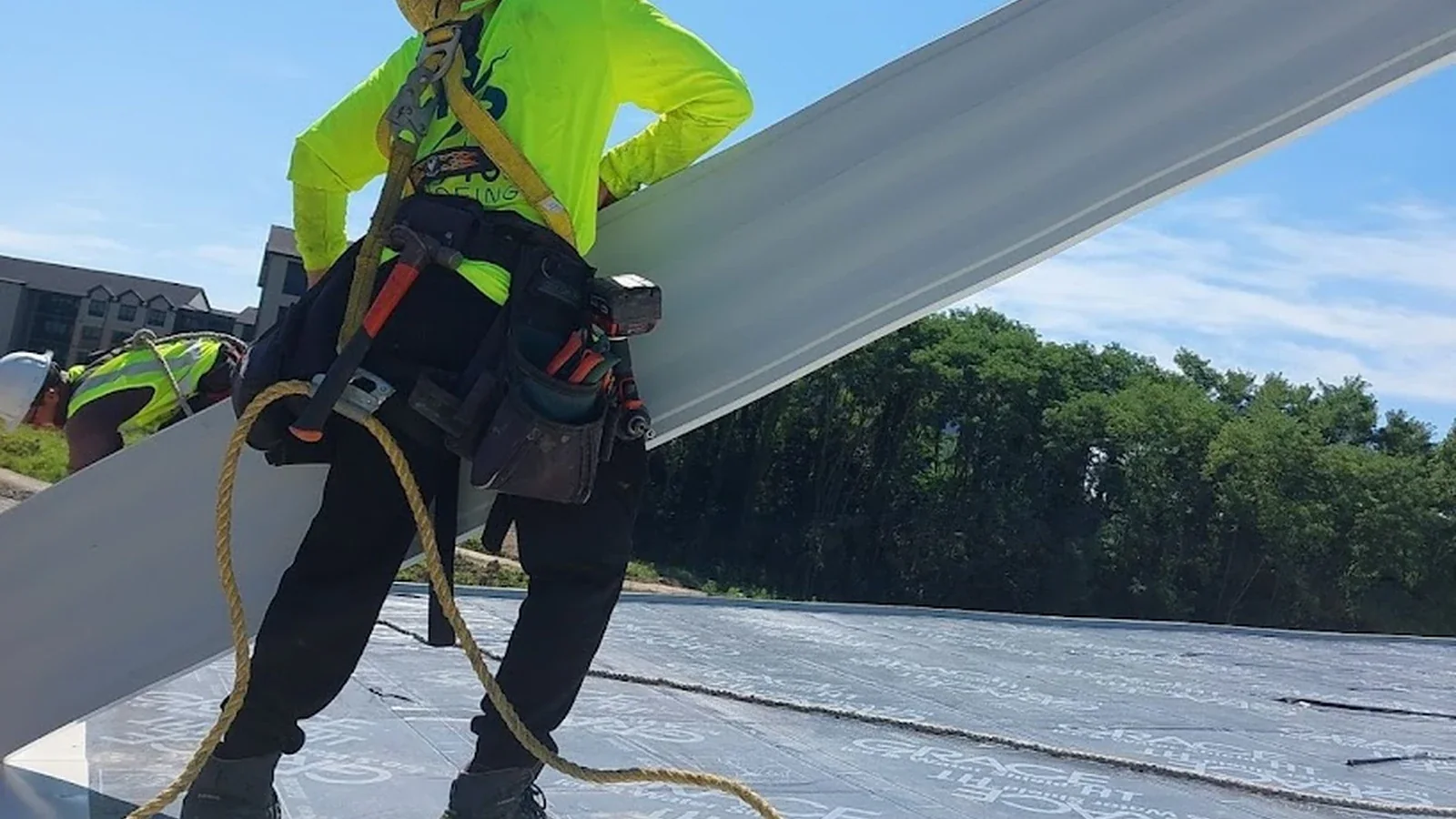
Careful work, from staging to cleanup.
Helpful answers
Good questions. Straight answers.
Do you handle commercial roof repair and replacement?
Yes. Raptor Roofing inspects the roof first, then explains whether repair, replacement, maintenance, or a phased plan makes the most sense for the building.
What commercial roof systems do you inspect?
Commercial inspections can include flat, low-slope, and pitched systems such as TPO, EPDM, PVC, modified bitumen, coatings, metal, and shingle sections where present.
What causes ponding water on a commercial roof?
Ponding can be caused by poor slope, clogged drains, compressed insulation, settling, blocked scuppers, or design limitations. It should be documented because it can accelerate roof wear.
Can storm damage affect commercial roofs?
Yes. Wind, hail, debris, and heavy rain can damage seams, membranes, flashing, metal edges, rooftop units, and pitched roof sections. Photos and notes help owners decide next steps.
How can roof work be less disruptive?
Scheduling, access planning, staging, safety, tenant communication, and cleanup expectations should be discussed before work begins.
Do commercial roofs need maintenance?
Routine inspections and maintenance can catch small problems earlier, support budgeting, and help owners decide when repair or replacement is the wiser investment.
How often should a commercial roof be inspected?
Many owners benefit from at least annual inspections and additional checks after severe storms. The right cadence depends on roof age, system type, leak history, and building risk.
Can a commercial roof be restored instead of replaced?
Sometimes. Restoration or coating may make sense when the roof is dry, structurally sound, and compatible with the system. If moisture or severe deterioration is present, replacement may be wiser.
Keep exploring
Compare the options for your property.
A simpler way forward
Let’s make the next step clear.
Tell us about the property and what brought you here. We’ll follow up to discuss your roof and arrange a free inspection.
Serving Indianapolis, Greenwood, Carmel, Fishers, Noblesville, and nearby Central Indiana communities.
Prefer to talk? Call (317) 886-0696.