Commercial roof restoration guide

Commercial Roof Coatings in Indiana

Commercial roof coatings can extend the life of the right roof, but they are not a shortcut for saturated insulation or failed assemblies. In Indiana, the coating conversation should start with moisture, adhesion, drainage, and compatibility.

Restoration suitability review
Moisture and adhesion planning
Metal and low-slope options
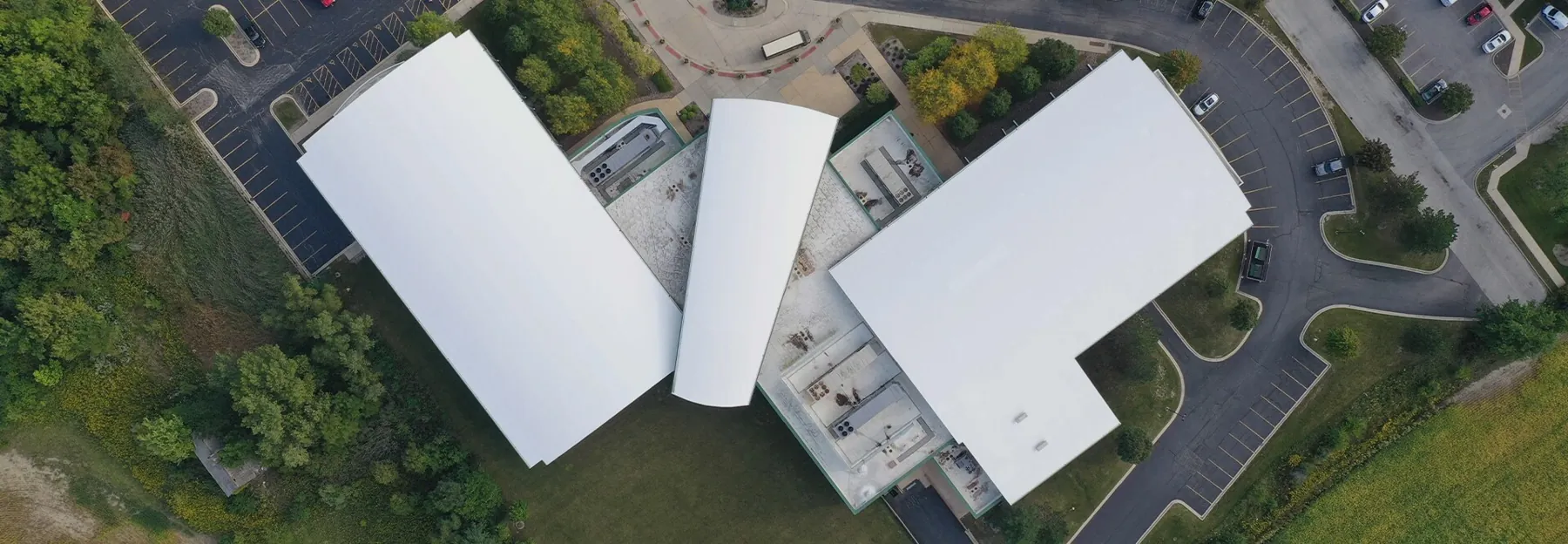
Commercial roofer applying a roof coating with a roller on a flat rooftopCommercial roofer spraying protective coating across a flat roof surfaceAerial view of a commercial flat roof being evaluated for restoration
Coatings are for sound roofsA coating should be considered only after the existing roof is inspected for moisture, surface condition, drainage, detail failures, and compatibility.

Commercial roof material

Roof coatings work best when they are treated as a system.

Indiana commercial owners often ask about coatings because they want to extend roof life, reduce disruption, improve reflectivity, or delay full replacement. Those can be valid goals when the roof is a good candidate.

The wrong roof should not be coated. If insulation is saturated, seams are failing broadly, the deck is compromised, or drainage is uncontrolled, a coating can trap problems instead of solving them.

The right roof may benefit from cleaning, repair, reinforcement at details, primer when required, and a coating system matched to the existing membrane or metal surface. Surface preparation is often the difference between restoration and disappointment.

Raptor Roofing helps owners compare coating, repair, maintenance, recover, and replacement. The goal is to extend useful life only when the roof condition supports that decision.

Candidate

The roof must be dry and sound

Moisture and adhesion concerns should be addressed before coating is recommended.

Preparation

Cleaning and repairs come first

Seams, flashings, penetrations, rust, and open details need work before coating.

Use case

Restoration can buy time

Coatings can help bridge budget timing when the roof is a suitable candidate.

Limits

Not a replacement for failed roofs

Saturated insulation, structural issues, or widespread failure usually require a different plan.

Local fit

Where coatings can make sense in Indiana.

Coatings are often discussed for metal roofs, aged single-ply roofs, smooth or granulated asphaltic roofs, and low-slope commercial buildings where the roof is still structurally sound.

  • Metal roofs with manageable rust and sound panels
  • Low-slope roofs with dry insulation and surface wear
  • Commercial buildings needing lower-disruption restoration
  • Owners planning capital budgets before full replacement

Indiana planning lens

Material fit depends on more than the name of the roof.

Raptor looks at roof slope, drainage, storm exposure, attic or insulation conditions, access, budget timing, and how the roof connects to gutters, trim, walls, and rooftop equipment.

The result is a recommendation that separates what should be repaired now, what can be maintained, and what deserves a full replacement plan.

Compare the options

Commercial coating decisions that matter.

A better roof consultation helps you compare the material, the assembly, and the practical details that affect performance in Indiana weather.

Decision Best fit Why it matters
Suitability Dry, sound, compatible roof assembly Coatings should not hide wet insulation or failed details.
Surface prep Cleaning, repairs, rust treatment, seam reinforcement, primer Preparation drives adhesion and performance.
Coating type Silicone, acrylic, or system-specific restoration paths Material choice depends on roof type, ponding, exposure, and goals.
Alternative path Repair, maintenance, recover, or replacement Coating is one option, not the default answer.

Inspection priorities

When a roof coating is the wrong move.

A coating should never be used to make a failed roof look better while moisture continues spreading underneath.

Moisture

  • Saturated insulation
  • Soft roof areas
  • Recurring leaks after repairs

Surface

  • Poor adhesion risk
  • Heavy rust or contamination
  • Loose granules or failed membrane areas

Drainage

  • Persistent ponding
  • Blocked drains
  • Low spots that hold water after storms

Raptor process

How Raptor turns a material question into a clear roof plan.

The material is important, but the decision gets easier when the inspection, photos, scope, and tradeoffs are organized clearly.

1

Screen

We check roof type, age, moisture risk, drainage, surface condition, and compatibility.

2

Repair

Candidate roofs need leaks, seams, penetrations, rust, and details addressed before coating.

3

Apply

The system is installed around preparation requirements, weather windows, and coverage targets.

4

Maintain

Coated roofs still need inspections, cleaning, drainage care, and prompt repair after storms.

Material FAQs

Commercial roof coatings questions Indiana owners ask.

Are roof coatings good for Indiana commercial roofs?

They can be good for the right roof, especially when the existing assembly is dry, sound, compatible, and properly prepared.

Can coatings fix active leaks?

Leaks should be diagnosed and repaired before coating. A coating is not a substitute for finding the source of water entry.

Can a wet roof be coated?

No. Saturated insulation or trapped moisture should be addressed before any restoration system is considered.

Do coatings work on metal roofs?

Sometimes. Metal roofs need rust, fasteners, seams, and surface preparation handled before coating.

How long does a commercial coating last?

Life span depends on roof condition, coating type, thickness, preparation, weather exposure, drainage, and maintenance.

Can Raptor compare coating with replacement?

Yes. Raptor can explain when coating, repair, maintenance, recover, or full replacement makes the most sense.

Free roof inspection

Ready to compare commercial roof coatings for your Indiana property?

Tell Raptor what is going on with the roof. The team will inspect the property, document the roof condition, explain the material options, and help you choose the next step with confidence.

Central Indiana serviceClear roof documentationRepair or replacement guidanceCall (317) 886-0696

Call Now Button