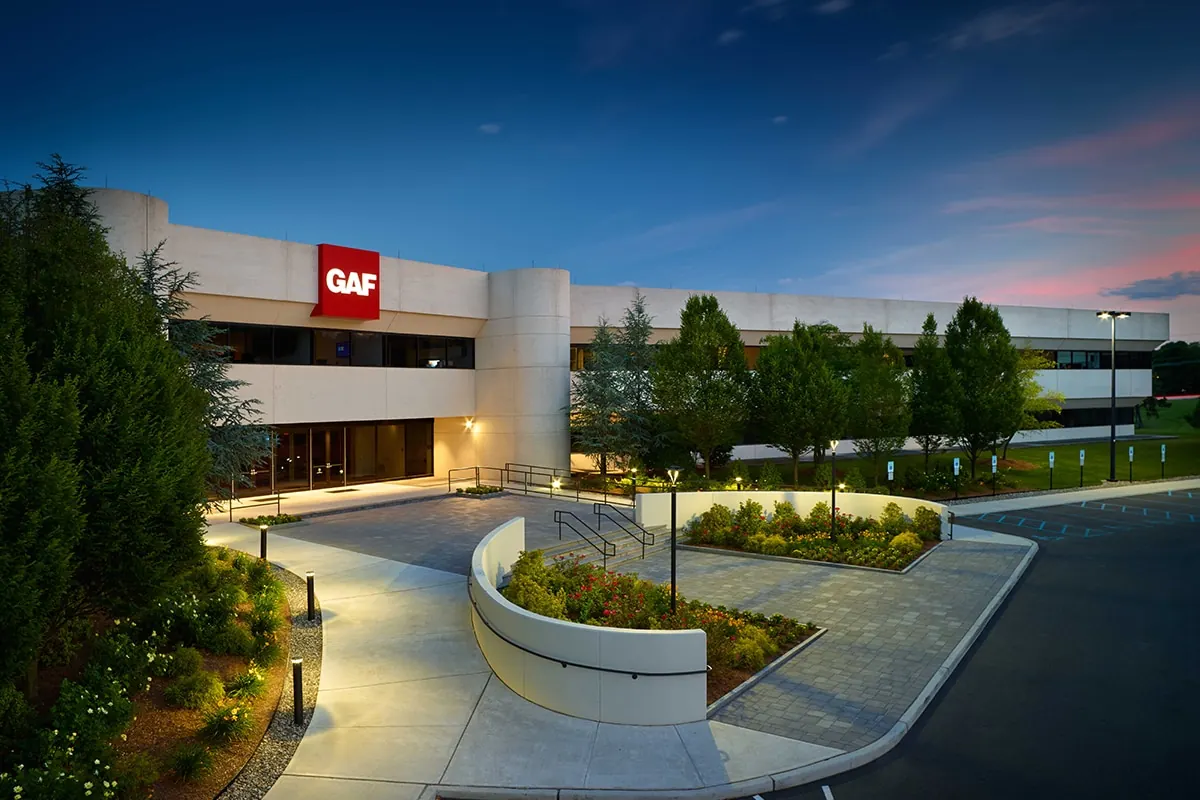
Office building entrance and landscaped grounds at dusk

Home / Commercial roofing / EPDM Rubber Roofing

Indianapolis & Central Indiana

EPDM rubber roofing in Indianapolis.

A clear plan for the rubber roof over your Indianapolis property. Our team inspects EPDM seams, flashing, drainage, and leak history, then recommends the repair or replacement approach that fits the building.

Book a Free InspectionCall (317) 886-0696

Free inspections   /   Clear options   /   Local follow-through

Know the condition.

Understand the roof before choosing the work.

See your options.

Compare repairs, materials, and the complete scope.

Move forward clearly.

Know what happens next, from scheduling to cleanup.

Your roof, considered carefully

Find the leak. Understand the whole roof.

Many older commercial buildings, additions, office roofs, apartment buildings, and service properties around Central Indiana have EPDM sections because the material has been used for decades on low-slope roofs.

The black membrane is flexible and familiar, but it still needs inspection. Seams, terminations, pipe boots, wall flashing, drains, and rooftop units are common failure points, especially after years of freeze-thaw movement and service traffic.

Indiana rain and snow make drainage a major part of the EPDM conversation. Water that lingers around seams, low spots, or saturated insulation can turn a repairable problem into a replacement-level issue.

Commercial roof crew installing EPDM rubber membrane on a low slope roof

The assessment

What our team checks on your EPDM roof.

Membrane condition

Surface wear, shrinkage, cuts, punctures, and hail evidence

Shows whether repair or replacement should be discussed.

Seams

Tape, adhesive, laps, transitions, and stress points

Seam failure is a common source of leaks.

Drainage

Drains, scuppers, gutters, crickets, and low spots

Standing water can accelerate roof problems.

Rooftop traffic

Walk pads, service routes, and equipment access

Technician traffic can puncture or stress rubber roofs.

Repair, restore, or replace

The right next step starts with the roof you have.

A material name alone cannot tell you whether a roof needs replacing. We connect visible damage, moisture, and the history of the roof before recommending the work.

When a targeted approach may fit

A puncture, loose seam, or isolated flashing problem may allow a compatible EPDM repair when the surrounding roof and insulation are sound.

When a larger plan may fit

Recurring leaks, widespread seam deterioration, membrane shrinkage, or wet insulation can make more patching a poor long-term choice.

We also check: Cuts, punctures, or loose patches; Wrinkles, shrinkage, or membrane stress; Hail marks or surface deterioration; Open seams; Loose edge metal; Cracked flashing at curbs or walls.

Compare the full scope

What belongs in your roofing estimate.

A clear proposal helps you see what is included, what may change after tear-off, and how the finished roof will be protected.

01

Existing EPDM condition and areas of wet insulation

02

Membrane type, thickness, attachment, and compatible seams

03

Curb flashing, drains, perimeter details, and walkways

04

Repair boundaries, removal scope, and written warranty coverage

The Raptor process

Clear from the first look to the final review.

01

Document

We photograph membrane condition, seams, edges, penetrations, drains, and interior leak locations.

02

Diagnose

The inspection separates localized repair items from broader moisture or age concerns.

03

Recommend

You receive a practical repair, maintenance, restoration, or replacement path.

04

Maintain

For roofs with life left, a maintenance plan can reduce surprise leaks and budget shocks.

Helpful answers

Good questions. Straight answers.

Often, yes, when the damage is isolated and the surrounding assembly is dry and stable. The repair must use compatible EPDM materials. Repeated leaks, widespread seam failure, or trapped moisture need a broader assessment before another patch is recommended.

EPDM is a synthetic rubber membrane commonly used on flat and low-slope roofs. “Rubber roof” can also be used loosely, so the material should be identified before selecting repair products.

Many localized EPDM issues can be patched when the membrane and insulation are otherwise sound.

Common causes include open seams, punctures, flashing failures, shrinkage, ponding water, and rooftop equipment details.

Black membranes absorb heat, which may matter for some buildings. Insulation and roof design should be part of the conversation.

Widespread seam failure, saturated insulation, repeated leaks, brittle membrane, or severe age may point toward replacement.

Yes. Raptor can inspect, document, repair, and help plan maintenance for EPDM low-slope roofs.

A simpler way forward

Let’s make the next step clear.

Tell us about the property and what brought you here. We’ll follow up to discuss your roof and arrange a free inspection.

Serving Indianapolis, Greenwood, Carmel, Fishers, Noblesville, and nearby Central Indiana communities.

Explore our service area

Prefer to talk? Call (317) 886-0696.

    Free roof inspection

    How should we reach you?


    Send us the basics and we’ll follow up to learn more about your roof.

    No pressure. Just clear answers and practical next steps.

    Call Now Button