Commercial asphalt roof guide

Built Up Roofing in Indiana

Built up roofing has protected commercial buildings for generations with layered asphalt roof assemblies. In Indiana, the key is knowing when an older built up roof is maintainable and when the hidden risk is too high.

Older flat roof evaluation
Moisture and drainage review
Repair or replacement planning
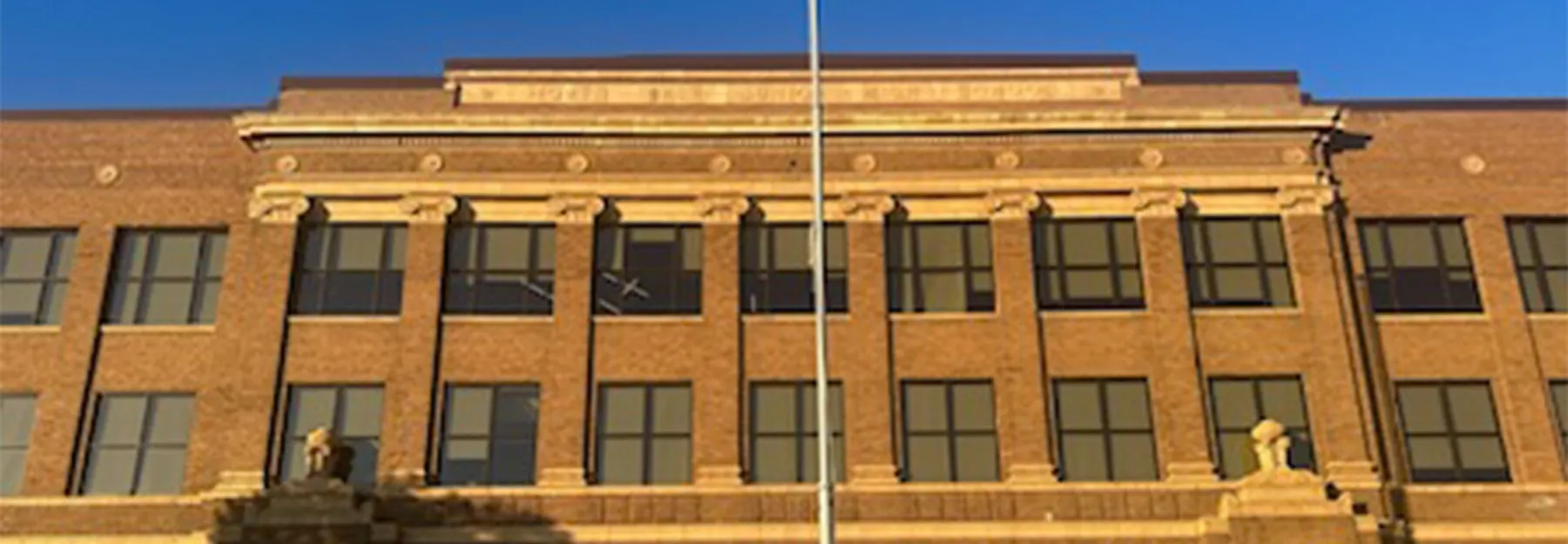
Aerial view of a built up commercial roof surface with low slope detailsLarge low slope commercial roof on an Indiana style business propertyFinished commercial low slope roof on an Indiana business property
Older roof systems need clear documentationBuilt up roof decisions should be based on roof age, moisture, surface condition, drainage, patch history, and business risk.

Commercial roof material

Built up roofing is common on older commercial properties.

Across Indianapolis and surrounding Indiana communities, many older commercial buildings still have built up roof sections or layered asphalt assemblies that have been repaired, patched, or recovered over time.

Built up roofs can be durable, but they can also hide moisture inside multiple layers. Surface cracking, ponding, gravel displacement, blisters, and repeated patching may point to problems below the visible roof surface.

When building owners inherit an older roof, the first need is clarity. Is the roof simply aged but serviceable? Is there wet insulation? Are leaks isolated? Are drains and scuppers moving water correctly? Is the roof a candidate for maintenance, restoration, recover, or tear-off?

Raptor Roofing builds the conversation around documentation. Photos, roof mapping, interior leak locations, drainage review, and budget timing help owners make decisions without waiting for the next emergency.

Layered

Multiple plies can hide conditions

Built up roofs need careful inspection because moisture can spread between layers.

Aged assets

Common on older Indiana buildings

Many commercial owners are managing roofs that have decades of repair history.

Drainage

Water is the pressure point

Ponding water accelerates surface wear and can expose low spots or saturated insulation.

Planning

Budget timing matters

A roof condition report can help owners plan repairs or replacement before interior damage escalates.

Local fit

Where built up roofing shows up in Indiana.

Built up roofing is often found on older commercial buildings, strip centers, industrial properties, schools, churches, and additions with long roof histories.

  • Older Indianapolis commercial buildings
  • Flat roofs with multiple repair campaigns
  • Properties with gravel, asphalt, or cap-sheet surfaces
  • Buildings where budget planning matters as much as immediate leak control

Indiana planning lens

Material fit depends on more than the name of the roof.

Raptor looks at roof slope, drainage, storm exposure, attic or insulation conditions, access, budget timing, and how the roof connects to gutters, trim, walls, and rooftop equipment.

The result is a recommendation that separates what should be repaired now, what can be maintained, and what deserves a full replacement plan.

Compare the options

Built up roof decisions owners should make with documentation.

A better roof consultation helps you compare the material, the assembly, and the practical details that affect performance in Indiana weather.

Decision Best fit Why it matters
Repair Localized leak source with dry surrounding assembly Can control cost when the roof still has useful life.
Maintenance Aging roof with manageable risk Helps reduce emergency calls and track roof condition.
Restoration or recover Dry roof assembly with compatible surface and code clearance May extend life when tear-off is not immediately required.
Replacement Saturation, widespread failure, or repeated leaks Resets risk when repairs no longer make financial sense.

Inspection priorities

Built up roofing red flags.

A built up roof can look quiet until a heavy rain exposes hidden weakness. Repeated patching is usually a signal to step back and assess the full assembly.

Surface

  • Blisters, cracks, splits, or exposed asphalt
  • Gravel displacement or bare spots
  • Large areas of old patching

Water

  • Ponding after storms
  • Blocked drains or scuppers
  • Soft areas that suggest wet insulation

Interior

  • Recurring ceiling stains
  • Odor or moisture complaints
  • Leaks far from visible roof issues

Raptor process

How Raptor turns a material question into a clear roof plan.

The material is important, but the decision gets easier when the inspection, photos, scope, and tradeoffs are organized clearly.

1

Document

We map the roof, drainage, surface condition, patch history, penetrations, and interior leak reports.

2

Assess

Moisture risk and roof age are weighed before recommending repair, maintenance, restoration, or replacement.

3

Prioritize

Immediate leak control is separated from longer-term capital planning.

4

Plan

Work is scheduled around weather, access, safety, tenant needs, and business continuity.

Material FAQs

Built up roofing questions Indiana owners ask.

What is built up roofing?

Built up roofing is a layered asphalt-based roof system used on commercial flat and low-slope roofs.

Can built up roofs be repaired?

Yes, when issues are localized and the surrounding roof assembly is dry and stable.

How do I know if a built up roof is saturated?

Soft areas, repeated leaks, ponding, and moisture testing indicators can suggest saturation. A proper inspection is needed.

Is built up roofing still used?

Yes, but many owners now compare it with modified bitumen, TPO, EPDM, PVC, and restoration options.

Can a built up roof be coated?

Sometimes, but only if the roof is dry, compatible, clean, and structurally sound enough for restoration.

Can Raptor help plan a commercial roof budget?

Yes. Roof condition documentation can help owners prioritize repairs and forecast replacement timing.

Free roof inspection

Ready to compare built up roofing for your Indiana property?

Tell Raptor what is going on with the roof. The team will inspect the property, document the roof condition, explain the material options, and help you choose the next step with confidence.

Central Indiana serviceClear roof documentationRepair or replacement guidanceCall (317) 886-0696

Call Now Button