
Cold mornings. A new ceiling stain.
Attic condensation and a roof leak can both leave moisture inside a home. The repair depends on where the water comes from, so a stain alone is not enough to choose between roofing work, air sealing, ventilation, or insulation.
For Indianapolis and Central Indiana homeowners, a cold spell followed by a thaw can make the timing confusing. Record what happened before the moisture appeared, then have the roof and accessible attic conditions assessed together.
This guide explains the difference, the observations worth saving, and the questions to settle before approving work. You do not need to enter the attic or climb onto the roof to prepare for an inspection.
01 / Follow the moisture
Two moisture paths that can look similar indoors
Condensation starts with moisture in the air
When warm, moisture-laden indoor air reaches a cold attic surface, water can collect on that surface. During sufficiently cold conditions it can appear as frost; a warmer period can turn the accumulated frost back into liquid. The Building America Solution Center’s cold-weather condensation guide describes this process and the importance of controlling air leakage, indoor moisture, and drying conditions.
A roof leak involves water entering through the assembly
A roofing assessment considers the covering and details around walls, chimneys, penetrations, valleys, and other transitions. A ceiling stain gives the inspector a location to investigate indoors, but it does not identify the roof defect by itself. Share the symptom and let the findings establish the source.
If the proposed work involves a chimney, wall, or pipe penetration, our flashing repair guide explains what to ask about the surrounding materials and the repair boundary.
Use timing as a clue, not a verdict
| What you noticed | What to record | What still needs assessment |
|---|---|---|
| Moisture during rain | Start time, affected room, wind, and whether the symptom repeats | The water-entry path and roof details involved |
| Moisture after a cold spell or thaw | Recent freezing weather, snow or ice, thaw timing, and any rain | Roof leakage, frost or condensation, and other moisture sources |
| A recurring stain after earlier work | Repair dates, invoices, photos, and when the symptom returned | Whether the original cause was resolved or a separate condition remains |
More than one condition can need attention. Ask the inspector to distinguish observed facts from suspected causes and explain what could not be checked during the visit.
02 / Follow the moisture
Build a short moisture history from safe locations
Give the concern a location people can find
Use the room and a fixed reference, such as “upstairs bedroom above the driveway-side window.” Take a wide interior photo for context and a closer photo of the visible symptom. Keep the date with both. If several areas are affected, label them separately.
Record whether you saw dripping, a damp patch, a musty odor, or only an old discoloration. Describe what you actually noticed. A photo from last winter and one from today can help separate a recurring concern from a newly observed change.
Add the weather and household context
Write down whether the concern followed rain, wind, snowfall, several cold nights, or a thaw. If you have an indoor humidity reading, record it with the room and time; a single number is a note for the assessment, not a diagnosis.
Tell the inspector about recent roofing, bathroom-fan, HVAC, insulation, or remodeling work. Share any known changes in humidifier use or exhaust-fan performance. Do not assume that the most recent project caused the moisture; keep the dates available so the sequence can be reviewed.
Let the inspection establish the inaccessible details
You do not need to lift insulation, open roofing, or walk across attic framing to collect evidence. Tell the contractor what attic access exists and whether there are stored items or known obstructions. Ask which areas can be assessed safely and whether another specialist or a later visit is needed.
During a Central Indiana thaw, note snow and ice that are visible from a safe ground-level location. Do not climb up to remove ice or try to recreate a leak with water. Share the observations and let the contractor determine an appropriate investigation.
Keep earlier repairs with the new findings
Save previous proposals, invoices, warranty documents, and completion photos in one folder. If a prior repair changed the symptom for a time, say so. Ask the inspector to explain whether the current recommendation addresses the same area and what would remain outside the proposed work.

03 / Follow the moisture
Settle the moisture plan before an insulation upgrade
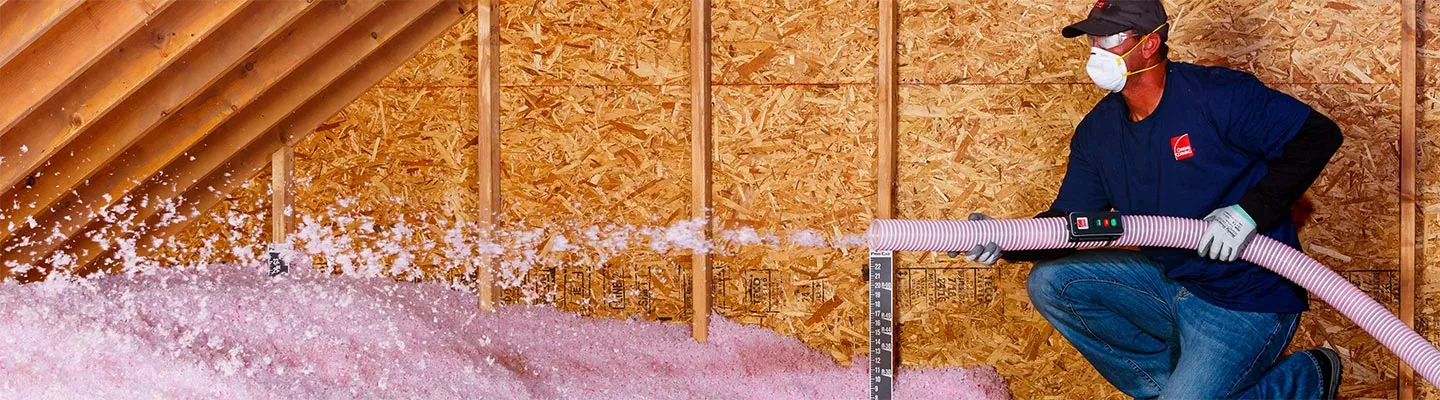
Insulation is one part of the assembly
Insulation and air sealing serve different purposes. The U.S. Department of Energy’s home ventilation guide explains that insulation alone does not prevent moisture problems. It also distinguishes removing indoor moisture at its source from managing air leakage and water entry.
Before choosing an insulation scope, ask how the recommendation accounts for the moisture concern. Adding material should not replace the investigation. Ask which conditions need correction first and which trade is responsible for each part.
Review the roof, exhaust routes, and ventilation
The Building America attic-work checklist calls for checking leaks, moisture damage, and ventilation before proceeding. It also specifies that exhaust fans discharge outside rather than into the attic. Have the contractor explain the existing arrangement and any proposed changes for your home.
Ask whether the attic is designed as a vented or unvented assembly. A vented attic’s intake and exhaust paths need to be considered together; counting visible roof vents alone does not describe the full system. Keep product requirements and the existing construction in the discussion.
Request an order of work you can follow
- Findings: What moisture source or sources were identified, and what remains uncertain?
- First steps: What roofing, exhaust, air-sealing, ventilation, or other work needs to happen before insulation?
- Boundaries: Which areas and materials are included, and which conditions remain outside the proposal?
- Changes: How will concealed damage or added work be documented, priced, and approved?
- Follow-up: What completion records will you receive, and what should you report after the next rain or cold-weather cycle?
Raptor’s attic insulation service is a starting point for discussing an assessment in Indianapolis and nearby Central Indiana communities. If roofing work is proposed, use our repair estimate checklist to keep the scope and unresolved questions together.
Does a new stain mean the whole roof needs replacement?
The stain alone does not determine the scope. Ask for the findings that support the recommendation and an explanation of why a localized repair, a broader roof project, or another type of work is appropriate. Keep the diagnosis separate from the decision about how much work to approve.
Let’s look at the whole concern
Tell us where and when moisture appears.
Share the affected room, weather timing, and any earlier repair history. Raptor Roofing can discuss an inspection and help explain the findings and next step for your property.
Serving Indianapolis and nearby Central Indiana communities.
Keep dated observations, inspection findings, the approved scope, and completion photos together so you can compare future changes.