
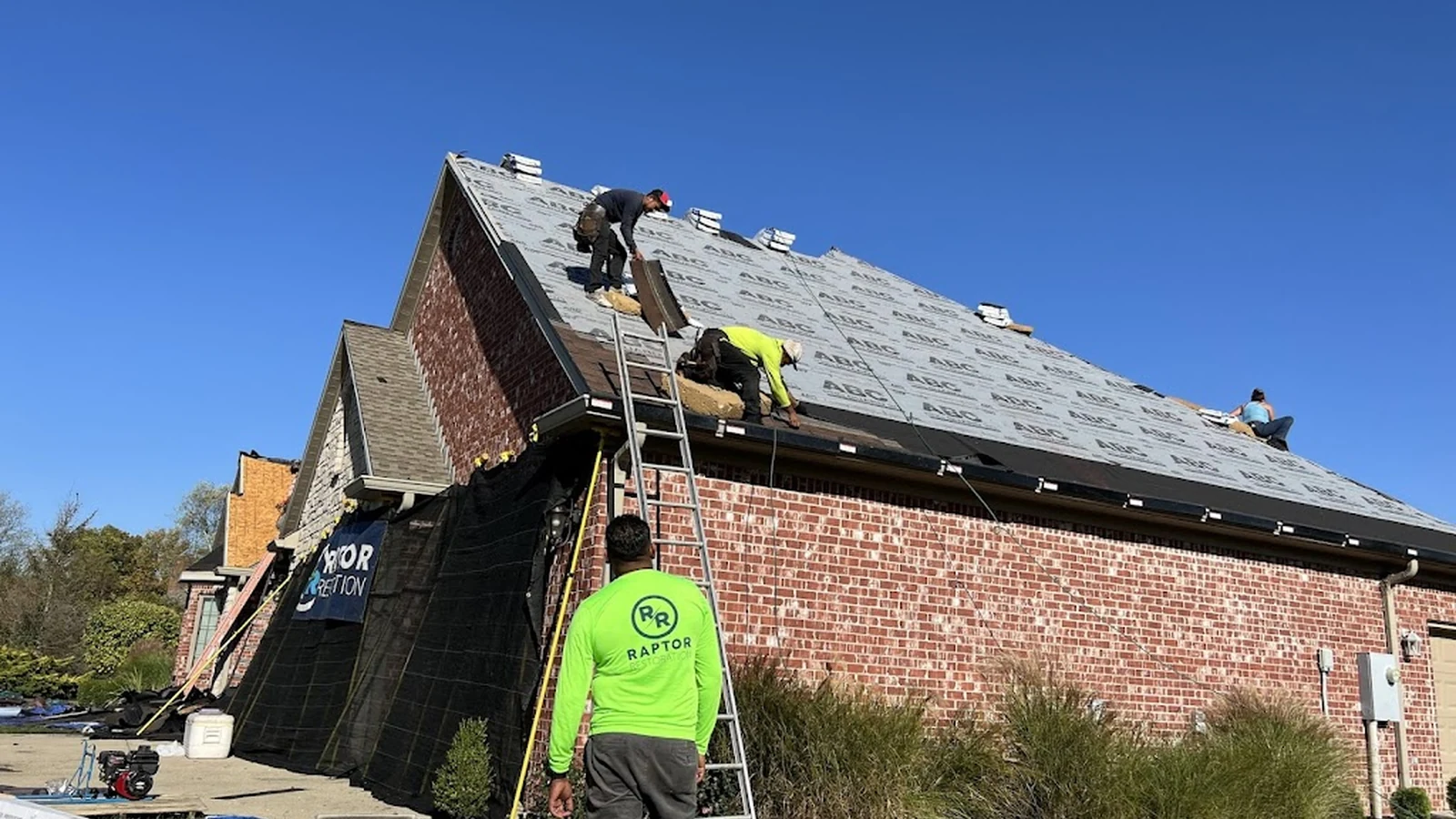
Before you approve the repair
A useful roof repair estimate tells you what will be fixed, why that work is recommended, and what happens if opening the roof reveals more damage. A price beside the words “fix leak” leaves too much unanswered.
If you are comparing repair proposals for a home in Indianapolis, Greenwood, Carmel, or another Central Indiana community, start with the scope. Two prices are only comparable when they describe the same investigation, materials, repair boundary, and follow-up.
Use the questions below during the inspection and keep the answers with your proposal. You do not need to diagnose the roof yourself.
01 / Your repair decision
Start with the finding, then define the work
What connects the symptom to the proposed repair?
Ask the inspector to show the observed condition in photos and explain the likely water-entry path. A stain marks where moisture became visible indoors; it does not by itself establish the repair location on the roof. Ask whether the source is confirmed or whether more investigation is needed.
Bring a short history: the date you first noticed the stain, whether it appears during wind-driven rain or snowmelt, and whether earlier repairs changed the symptom. Include prior invoices if you have them. These observations help frame the visit without assuming a cause.
Where does the repair begin and end?
Have the proposal name the slope or feature being repaired, such as shingles beside a chimney, a pipe penetration, or a roof-to-wall junction. Ask which surrounding materials must be removed and replaced to complete the work. “Replace flashing” should identify the location and the work needed around it.
A repair around a wall can involve roofing and siding coordination. A chimney concern may also need a masonry assessment. Ask which trade handles each part and whether that work is included or priced separately. Our roof flashing repair guide explains the questions to ask at these transitions.
What stays in place?
Ask about the condition of adjoining shingles, underlayment, and other details outside the repair. A localized repair does not renew the entire roof. If the remaining materials are too deteriorated for the proposed work, ask the contractor to explain the alternative and show the condition behind that recommendation.
For a larger affected area, compare the proposed repair with partial or full roof replacement. Keep each option’s boundaries, remaining roof condition, appearance, and coverage terms visible in the comparison.

02 / Your repair decision
Make the price and the unknowns understandable
Ask what is included in the total
Look for investigation, labor, materials, removal, disposal, property protection, and cleanup where applicable. Clarify whether the estimate includes interior repairs or only roofing work. If temporary protection is proposed, have it identified separately from the permanent repair and ask whether a return visit is included.
There is no reliable universal price for an unspecified leak. Roof height, access, the affected detail, materials, and the amount of work required can change the scope. GAF’s homeowner leak guidance also explains that leak repair cost depends on the work actually needed.
Agree on hidden-damage approval
Some decking or other concealed conditions may only become visible after materials are removed. Ask what the contractor can assess now and what remains unknown. Have the proposal state how additional work will be documented, priced, and approved before it proceeds.
Where a decking allowance or unit price is used, ask what that price includes and how quantities will be measured. Keep the authorization contact available during the project. Our decking estimate guide gives you a separate checklist for this part of the proposal.
Discuss the weather plan
For a Central Indiana repair scheduled during late fall or winter, ask which conditions are needed for the proposed materials and safe access. An air-temperature reading alone does not establish that every repair can proceed. Confirm how weather delays, temporary protection, and the next visit will be communicated.
Tell the contractor about gates, pets, parked vehicles, narrow driveways, and areas you need to keep accessible. These practical details belong in the scheduling conversation before a crew arrives.
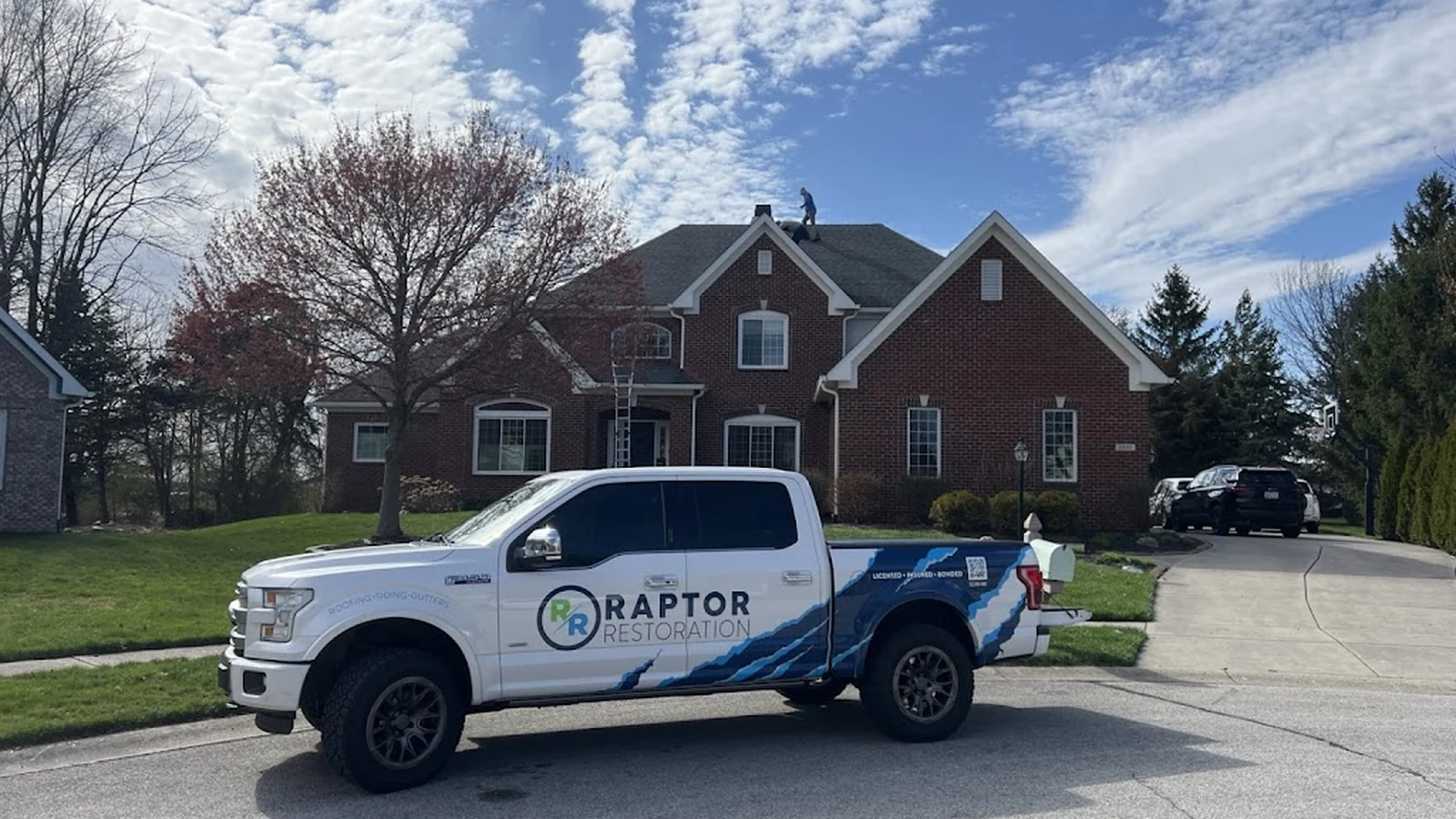
03 / Your repair decision
Use this checklist before signing
- Finding: Can I see the condition and understand why the proposed work addresses it?
- Boundary: Does the estimate identify the location and materials to be removed, repaired, or replaced?
- Related work: Are flashing, siding, masonry, or other trade responsibilities clear?
- Price: Are investigation, temporary work, cleanup, and return visits included or identified separately?
- Changes: Do I know who approves concealed damage and how added work is priced?
- Timing: Are access, weather requirements, and rescheduling arrangements understood?
- Coverage: Have I received the actual written repair warranty terms, including exclusions?
- Closeout: Will I receive completion photos, a description of the work, and a contact for recurring symptoms?
What if two estimates recommend different work?
Ask each contractor to explain the evidence behind the recommendation and what the other scope would leave unresolved. A lower total may describe a smaller repair, while a higher total may include additional investigation or adjoining work. Resolve those differences before comparing price alone.
What should I watch after the repair?
Keep dated photos of the original symptom and the completed work. Ask what to observe after the next rain or thaw and how to report any continued water entry. An old stain may remain visible after roofing work; ask separately about drying, interior assessment, and finishing rather than using appearance alone to judge the roof repair.
To discuss an inspection, visit Raptor’s Indianapolis roof repair service or use the form below.
Let’s look at your roof
Tell us what you’ve noticed.
Share where water appears, when it started, and any previous repairs. Raptor Roofing can inspect the concern and discuss a scope for your home in Indianapolis or nearby Central Indiana communities.
Call to confirm current inspection availability and any urgent water-entry concerns.
Keep the written scope, completion photos, invoice, and applicable warranty terms together for future reference.