
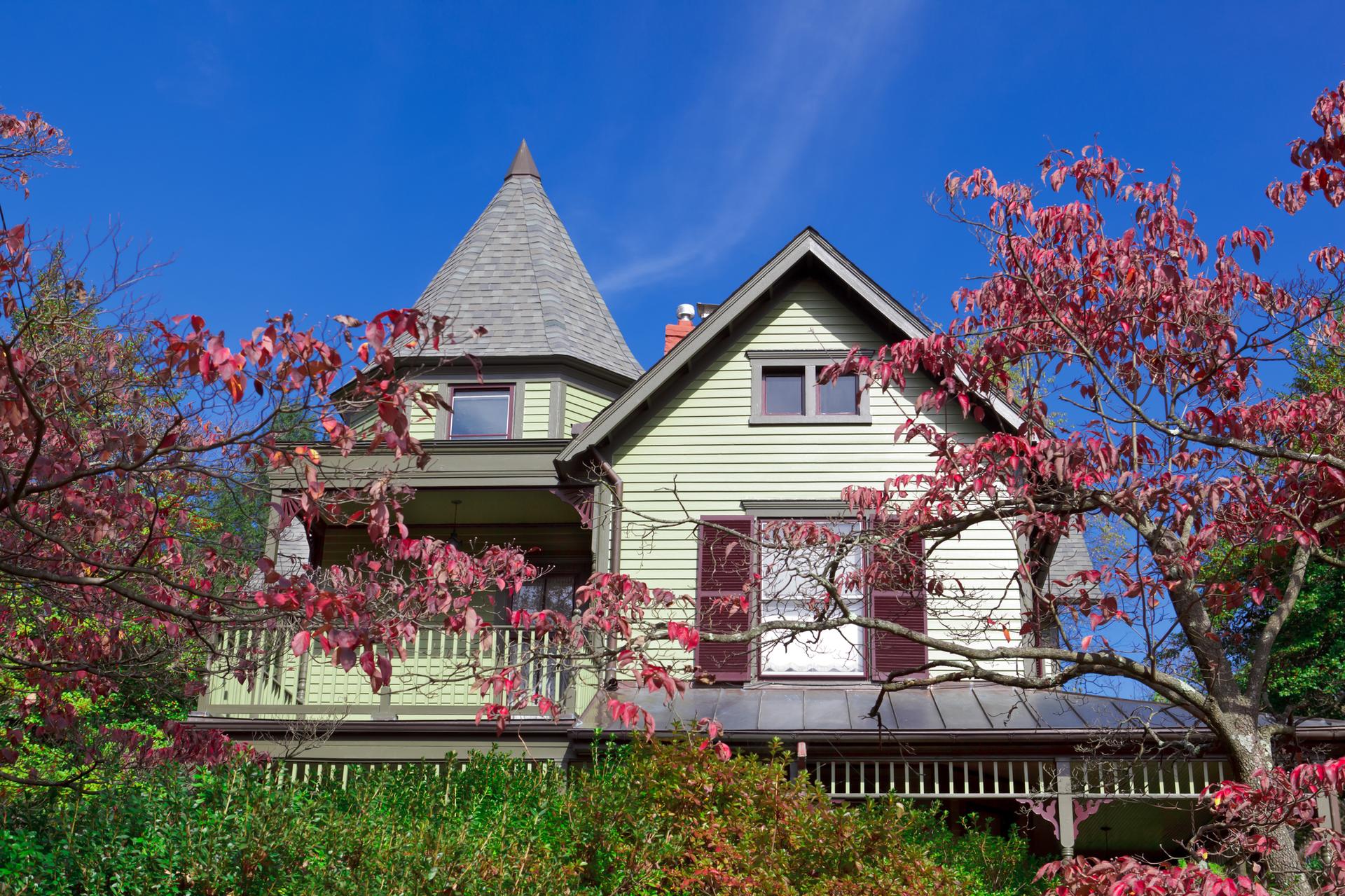
Historic homes in Central Indiana can require careful coordination between roof condition, architectural details, structural support, and local review requirements. A roofing plan should address the building you have and the approvals that apply to it.
This article will share key considerations when replacing, installing, or repairing the roofs of historic homes in Central Indiana.
Understanding the Architectural Heritage
Historic homes often feature rooflines and materials that reflect the era in which they were built. Slate, wood shakes, and clay tiles were common choices, each adding distinctive character. Preserving these details is essential to maintaining the home’s authenticity. Yet, homeowners must also consider modern safety standards and building codes. A roof that honors the past while meeting today’s requirements is the ultimate goal.
These homes are more than structures; they are cultural landmarks. Every decision about the roof impacts not only the property but also the neighborhood’s historic charm. That’s why roofing projects for historic homes require a deeper level of care and respect.
Choosing the Right Roofing Materials
Selecting roofing materials for a historic home is a complex decision. Original materials may no longer be practical or available. Slate, for example, is heavy and expensive, while wood shakes may not meet fire safety standards. Modern alternatives such as synthetic slate or composite shingles replicate the look of traditional materials while offering improved durability. These options allow homeowners to preserve the aesthetic without sacrificing performance.
Standing seam metal may suit some historic designs. Review samples, roof slope, trim details, structural requirements, and any preservation restrictions before selecting it.
Balancing Performance With Conservation
A historic roof must do more than look authentic. It must protect against Central Indiana’s heavy rains, snow, and strong winds. Insulation, ventilation, and waterproofing are critical elements that improve energy efficiency and prevent damage. The challenge lies in integrating modern solutions without altering the home’s historic appearance.
Underlayment and flashing can be considered alongside the visible roof material. Ask how proposed changes address moisture and transitions while respecting the home’s appearance.
Navigating Local Regulations and Guidelines
Some properties are subject to local historic-district or preservation review. Contact the relevant local authority to confirm whether your property is covered and what approvals are required before work begins.
Ask who will prepare applications, provide samples, obtain approvals, and coordinate inspections. Include these responsibilities in the project plan.
Addressing Structural Challenges
Older buildings may have deterioration or structural concerns that need further assessment. Ask which conditions are visible, what remains concealed, and when a qualified structural professional should be involved.
Any proposed structural work should be evaluated and specified for the actual building. Confirm the scope and who is responsible for the design before roofing materials are ordered.
Looking for Skilled Craftsmanship
Review how the contractor will handle visible roof profiles, flashing, ridge details, and transitions. Request examples of comparable work and discuss which details can be retained.
A clear proposal should describe the materials and details that affect both appearance and weather protection. Confirm any substitutions before installation.
Planning for Long-Term Maintenance
A historic roof is not a one-time project. It requires ongoing care to remain strong and beautiful. Regular inspections, cleaning, and minor repairs extend the roof’s lifespan. Homeowners should schedule maintenance at least once a year to catch issues early. Preventive care reduces costs and preserves the home’s historic value.
Periodic maintenance and prompt investigation of leaks help identify concerns. Neither an inspection nor a maintenance plan can promise a particular roof lifespan.
Considering Modern Roofing Solutions
While preservation is key, modern solutions can enhance a historic roof’s performance. Underlayment materials, advanced sealants, and improved ventilation systems provide added protection. These upgrades are often invisible from the outside, allowing the home to retain its historic look.
In some cases, a new roof install with modern materials is the best way to safeguard the property. Homeowners benefit from improved durability and energy efficiency without compromising authenticity. The right upgrades can make a historic home more comfortable and sustainable.
Preserving Curb Appeal and Historic Character
The roof contributes to a historic home’s appearance. Compare samples with existing masonry, siding, trim, and nearby buildings while following any requirements that apply to your property.
Curb appeal also plays a role in property value. A roof that respects the home’s heritage can make the property more attractive to buyers who appreciate historic architecture. Even small details, such as matching trim or replicating original patterns, can make a significant difference.
Partnering With the Right Roofing Contractor
Choose a contractor who can explain the proposed work, identify responsibilities for approvals, and discuss the limits of the inspection. Ask how concealed conditions and changes will be handled.
If you’re ready to protect your historic home with a roof that lasts, contact our team today to schedule a consultation.
Frequently Asked Questions
What roofing materials work best for historic homes?
Historic homes often benefit from materials that replicate traditional styles, such as synthetic slate or composite shingles. These options provide durability while maintaining the home’s original look. Some homeowners may still choose authentic materials, but modern alternatives are often more practical.
Do I need approval before replacing a roof on a historic home?
Approval requirements depend on the property and jurisdiction. Confirm them with the relevant local authority before ordering materials or beginning work.
How often should a historic roof be inspected?
A historic roof should be inspected at least once a year. Seasonal weather in Indiana can cause damage, so regular inspections help catch issues early. Preventive maintenance extends the roof’s lifespan and reduces repair costs.
Can modern roofing solutions be used on historic homes?
Absolutely. Modern solutions such as advanced underlayment, waterproofing, and ventilation systems can be integrated without altering the home’s appearance. These upgrades improve performance while preserving authenticity.
What challenges come with roofing historic homes?
Historic homes can present concealed deterioration, unusual roof details, and preservation restrictions. An inspection, written scope, and clear approval responsibilities help you plan around those conditions.
