Materials
Fiber cement, vinyl, and engineered options
Homeowners need a practical comparison of durability, maintenance, cost, appearance, and climate fit before choosing a siding system.
Fiber cement, vinyl, trim, and curb appeal
Siding should make the home look sharper and protect the walls behind it. Raptor Roofing helps Indiana homeowners compare materials, colors, profiles, trim, moisture details, and project sequencing with roofing, gutters, and windows.
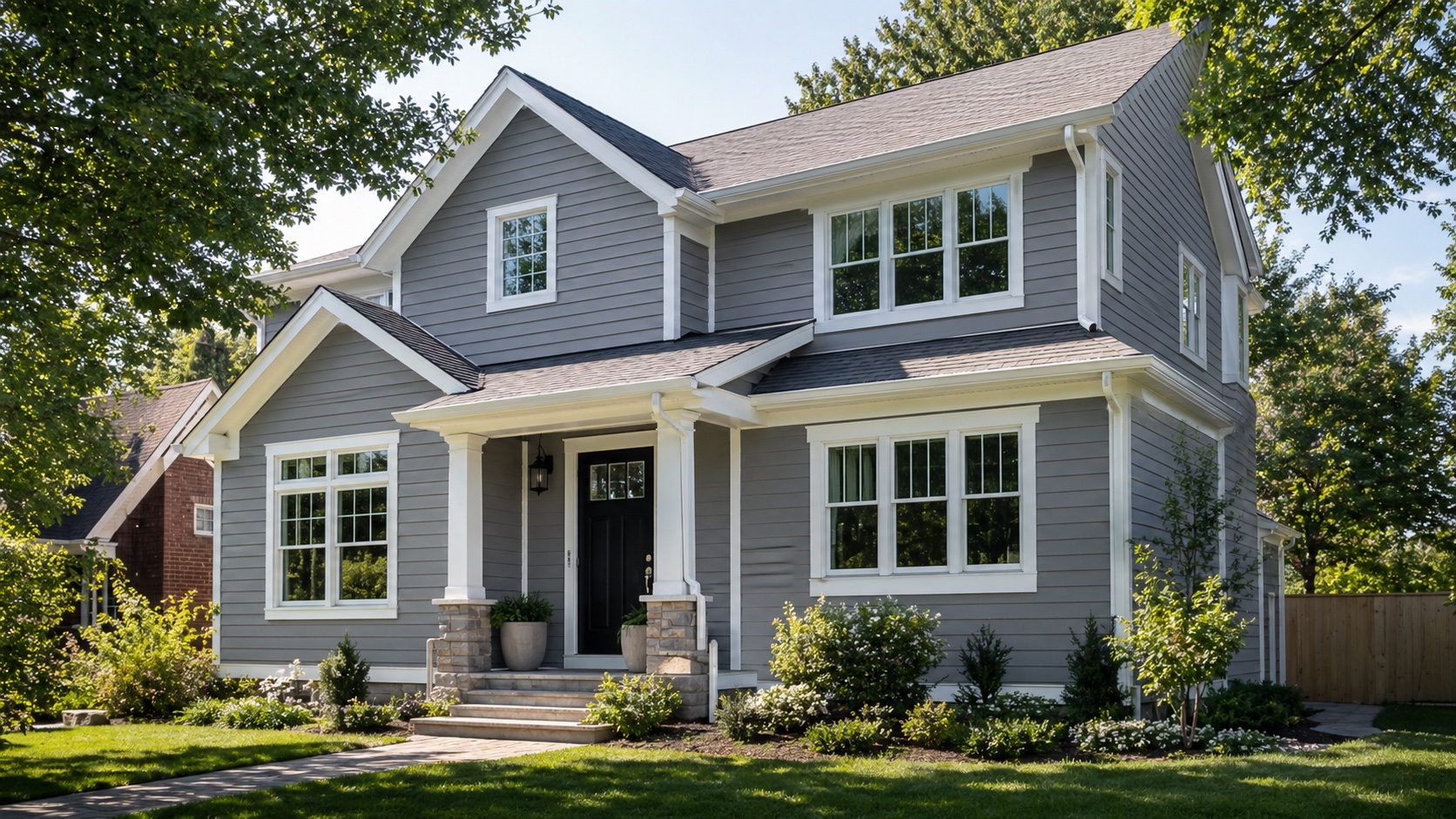
Design and protection
Raptor helps homeowners compare James Hardie-style fiber cement, vinyl, engineered siding, colors, profiles, trim, fascia, gutters, moisture details, and the right sequence for a cleaner exterior remodel.
Materials
Homeowners need a practical comparison of durability, maintenance, cost, appearance, and climate fit before choosing a siding system.
Design
Lap exposure, board-and-batten accents, shake details, trim width, and color should work with roofing, gutters, doors, brick, and stone.
Protection
Housewrap, flashing, penetrations, window trim, corner boards, and roof-to-wall transitions are critical to long-term performance.
Coordination
Siding touches gutters, windows, soffit, fascia, roofing edges, and downspouts, so sequencing matters if more than one system is being updated.
Why homeowners call
Cracked, warped, faded, loose, or high-maintenance siding can hide bigger issues around moisture, trim, and wall transitions. Raptor looks at the siding and the surrounding exterior so the project fixes the right problem.
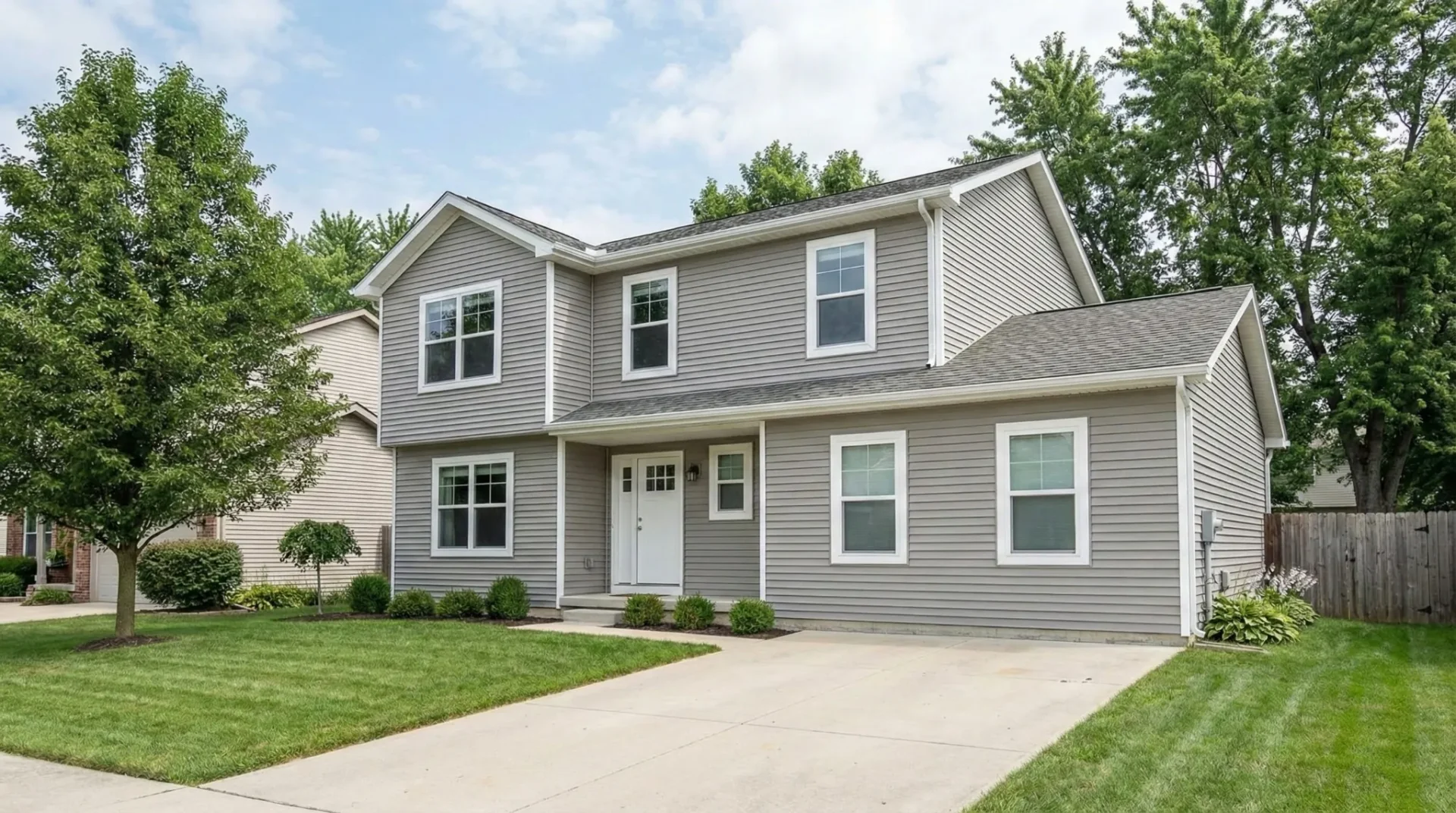
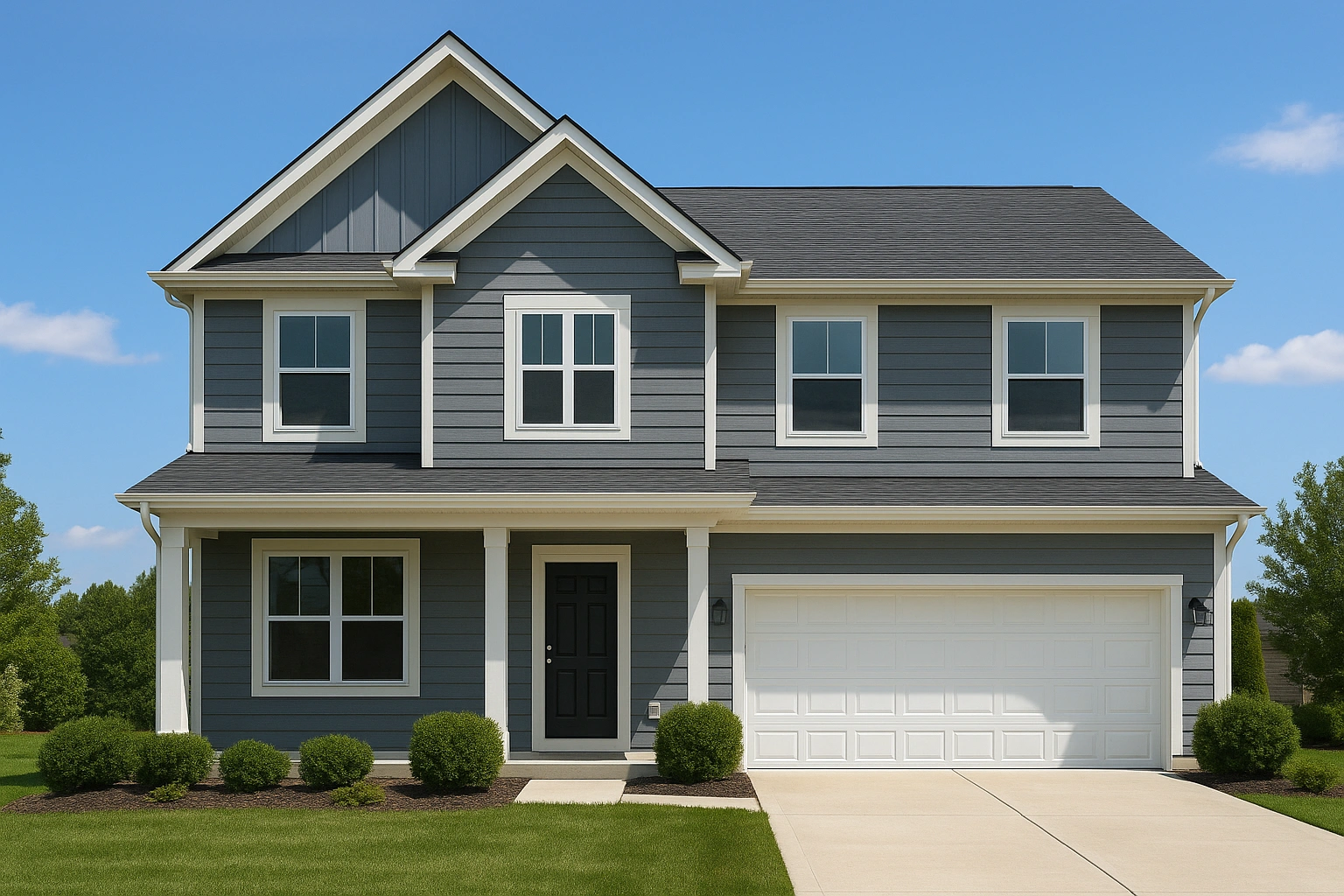
Material choices
The best material depends on budget, maintenance expectations, neighborhood style, weather exposure, and how the rest of the exterior is being updated.
| Option | Best fit | Planning details |
|---|---|---|
| Fiber cement siding | Homeowners who want a premium look, strong durability, and a painted-wood style without wood-level maintenance. | Discuss profiles, trim, paint or finish system, moisture details, clearances, and installer familiarity with manufacturer requirements. |
| Vinyl siding | Budget-conscious projects, lower-maintenance goals, and homes where a broad range of colors and profiles fits the plan. | Review panel thickness, insulation-backed options, color, expansion, trim details, and how the material handles heat and impact. |
| Engineered or composite siding | Projects that need a balance of appearance, durability, and installation efficiency. | Compare warranty, moisture resistance, trim compatibility, color availability, and repairability. |
| Accent siding | Gables, dormers, porch walls, entries, or elevations where a design feature improves curb appeal. | Board-and-batten, shake, vertical panels, and color accents should be planned with the main siding and roof color. |
Replacement signals
Some siding issues are cosmetic. Others are signs that water, movement, pests, or age are creating bigger exterior risk.
Appearance
Material
Moisture
Design and sequencing
Siding installation touches almost every visible exterior detail. Window trim, door trim, corner boards, soffit, fascia, downspouts, outlets, vents, hose bibs, and roof-to-wall flashing all affect the final result. If these details are treated as afterthoughts, the project can look pieced together.
That is why material selection and sequencing matter. A homeowner replacing windows next year may want the siding plan to account for future trim. A roof replacement may affect flashing and gutter sequencing. A gutter project may require downspout routing that should be planned before the siding color and trim layout are finalized.
A better siding conversation should be about more than a panel price. The consultation should connect curb appeal, durability, weather protection, and the whole exterior plan.
Exterior depth
A strong siding proposal should educate homeowners on materials, resilience, moisture resistance, color, trim, soffit, fascia, gutters, and installation quality.
A siding proposal should identify what is being removed, what happens if hidden wall damage is found, how housewrap or weather barrier details will be handled, how windows and doors will be trimmed, and how penetrations like lights, vents, outlets, and hose bibs will be finished.
Material choice should be tied to the home. Fiber cement may offer the premium profile a homeowner wants. Vinyl may fit budget and maintenance goals. Engineered products or accents may create the right design balance. The goal is to help homeowners think through those choices before a sales appointment.
Raptor Roofing serves homeowners and property owners across Central Indiana, including Indianapolis, Carmel, Fishers, Noblesville, Greenwood, Zionsville, Bloomington, Lafayette, and Columbus. Siding recommendations should account for Indiana rain, humidity, wind, freeze-thaw cycles, sun exposure, and the way gutters and roof edges move water across the exterior.
Moisture
The visible panel is only one part of the system. Weather barriers, flashing, clearances, trim, and penetrations protect the wall behind it.
Design
Front elevations, gables, porch walls, and side elevations may deserve different profiles or accents while still feeling cohesive.
Sequence
Roofing, gutters, windows, soffit, fascia, and siding share details. Planning the sequence avoids rework and awkward transitions.
Process
Homeowners and property owners should know what is being checked, what the recommendation means, and how the work will move forward.
We review siding age, damage, trim, windows, moisture concerns, roof transitions, downspouts, and the goals behind the project.
You get practical guidance on materials, profiles, colors, accents, trim, sequencing, and any related exterior work.
The scope accounts for removal, wall details, flashing, weather protection, jobsite access, and clear communication.
The crew focuses on clean lines, proper details, jobsite care, and a final walkthrough that checks the areas homeowners notice.
Siding Installation FAQs
Clear answers help homeowners and property owners understand the next step before they book an inspection.
There is no single best material for every home. Fiber cement, vinyl, engineered siding, and accents each have different benefits for cost, maintenance, durability, and appearance.
Raptor Roofing can discuss durable fiber cement and James Hardie-style siding upgrades as part of a premium exterior plan for Central Indiana homes.
Yes. Siding, roofing, gutters, trim, and windows often share details, so coordinated planning usually creates a cleaner and better-protected exterior.
Cracking, warping, fading, loose panels, soft trim, moisture concerns, repeated maintenance, and dated curb appeal are all reasons to schedule an inspection.
Siding alone is not a substitute for insulation, but the right siding project can improve weather protection, air-sealing opportunities, and exterior maintenance when details are handled correctly.
Yes. Color, profile, trim, and accent guidance should be part of the planning conversation so the finished exterior fits the home.
Trim should always be discussed. Window trim, door trim, corner boards, fascia, soffit, and accent details may be part of the scope depending on the home’s condition and design goals.
New siding should not be installed over unresolved moisture problems. A good inspection looks for soft trim, staining, wall damage, and roof or gutter issues that may be driving water into the exterior.
Start with clarity
Request a siding inspection and design conversation. Raptor Roofing will help you compare materials, colors, trim details, and the cleanest sequence for the whole exterior.