
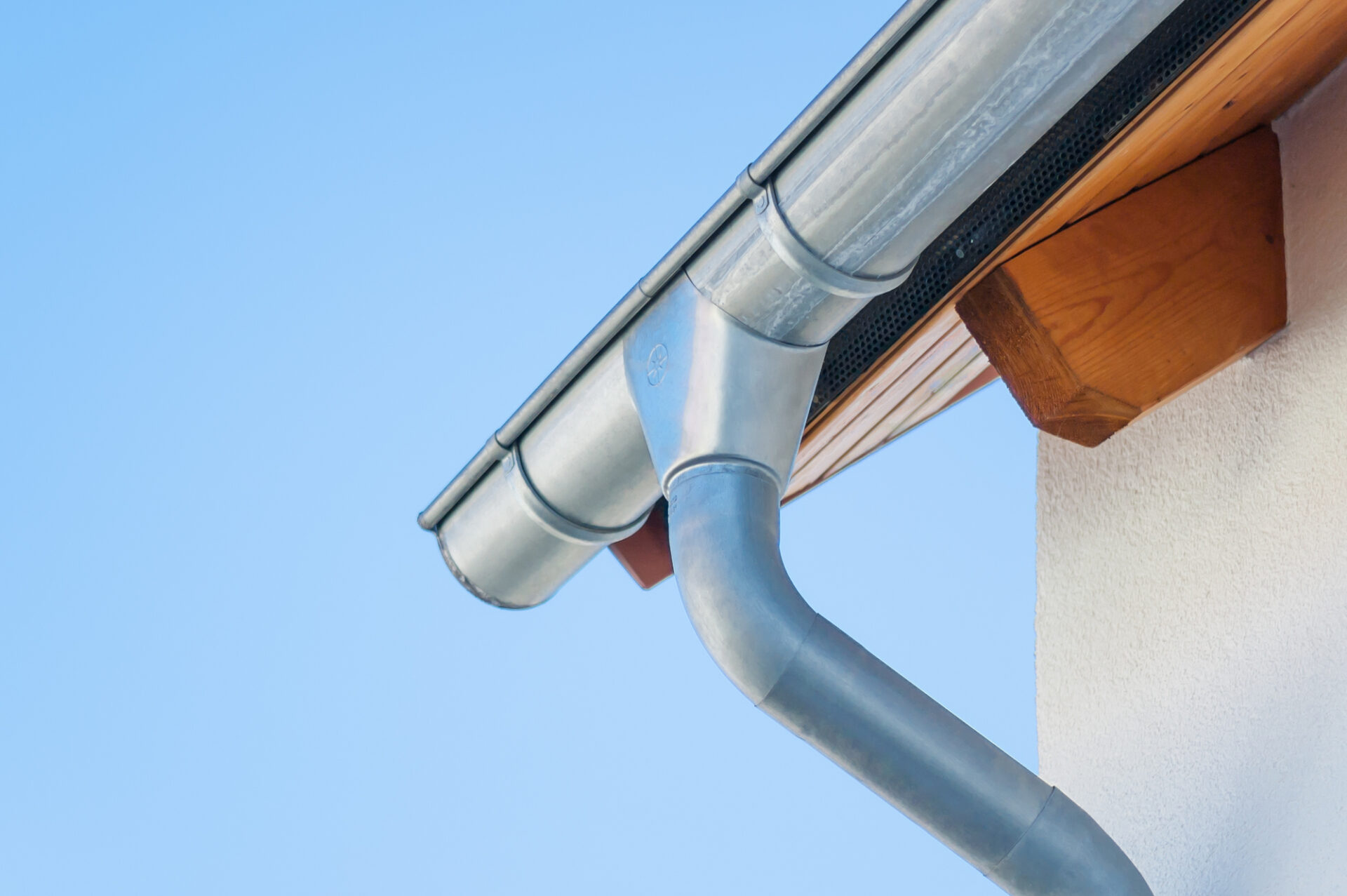
When it comes to protecting your home from water damage, gutters are one of the hardest-working systems you have. Yet many homeowners give little thought to what their gutters are actually made of, and that oversight can cost them significantly down the road. The material you choose for your custom gutters affects everything from how long they last to how much maintenance they require, how they look on your home, and how well they handle the climate you live in.
With so many options available today, navigating the world of gutter materials doesn’t have to be overwhelming. This guide breaks down the most popular choices, their pros and cons, and how to decide which material is the right fit for your home.
Why Gutter Material Matters More Than You Think
Most people don’t think about their gutters until something goes wrong: a leak, a sag, or a flooded basement. But the truth is, choosing the right material from the start can prevent those problems entirely. Different materials respond differently to temperature swings, heavy rainfall, UV exposure, and physical impact. A material that performs beautifully in the mild Pacific Northwest might corrode quickly in a coastal Florida environment.
Beyond function, gutter material also plays a role in your home’s appearance. Custom gutters offer a level of aesthetic flexibility that standard off-the-shelf options simply can’t match. Whether you want something that blends seamlessly into your roofline or makes a bold architectural statement, the right material can help you achieve that look.
The Most Popular Custom Gutter Materials
Aluminum Gutters
Aluminum gutters are available in different profiles, thicknesses, and colors. Seamless fabrication reduces the number of field joints, but corners, outlets, end caps, attachments, and drainage still need careful installation and maintenance.
One of the biggest advantages of aluminum is its adaptability to different climates. It holds up well in both hot and cold temperatures without becoming brittle or warping. The main downside is that aluminum can dent more easily than heavier metals, which may be a concern if you live in an area prone to hail or if you have low-hanging tree branches.
Best for: Homeowners looking for a reliable, cost-effective, low-maintenance option that works in virtually any climate.
Steel Gutters
Steel gutters are heavier and more impact-resistant than aluminum, making them a strong choice for homes in regions with severe weather. Galvanized steel has a zinc coating that protects against rust, while stainless steel offers even greater corrosion resistance at a higher price point.
Steel gutters require suitable support and corrosion protection. Ask about the coating, compatible fasteners, and maintenance needs for the proposed system.
Best for: Homeowners in areas with heavy snowfall, hail, or extreme weather who need a rugged, impact-resistant system.
Copper Gutters
Copper gutters develop a patina over time and may suit certain historic or custom exteriors. Review detailing, compatible metals, support, availability, and maintenance before selecting them.
Copper gutters require no painting or coating, and they are naturally resistant to corrosion and mold. The obvious drawback is cost. Copper gutters are significantly more expensive than aluminum or steel, both in materials and installation. They also require skilled installers who are experienced in working with the material.
Best for: Historic homes, luxury properties, or any homeowner who wants a premium, long-lasting gutter system with unmatched visual character.
Zinc Gutters
Zinc gutters also change appearance over time. Ask whether this material is available for your project and how the installation will address support, compatible metals, and water flow.
The main challenges with zinc are its higher upfront cost and the need for experienced installers, as it must be handled and installed correctly to prevent premature corrosion at seams and joints. It’s also important to note that zinc should not be installed in contact with materials like cedar or redwood, which contain tannins that can accelerate deterioration.
Best for: Eco-conscious homeowners who want a long-lasting, low-maintenance, premium material with sustainability benefits.
Vinyl Gutters
Vinyl is the most budget-friendly gutter option on the market. It’s lightweight, easy to install, and won’t rust or corrode. However, vinyl has real limitations when it comes to temperature extremes. In very cold climates, vinyl can become brittle and crack. In hot, sunny environments, UV exposure can cause it to warp and fade over time.
Vinyl gutters are typically available only in sectional form, meaning they have more seams (and more potential leak points) than seamless metal options. For this reason, vinyl is generally better suited to mild climates and is often not recommended for custom installations where longevity is a priority.
Best for: Budget-conscious homeowners in mild climates who need a short-term or temporary solution.
How to Choose the Right Material for Your Home
Selecting the best gutter material comes down to four key factors: your budget, your climate, your home’s architectural style, and your maintenance preferences.
Compare materials against the home’s architecture, drainage needs, maintenance preferences, and complete installed cost. Confirm which options Raptor can provide for your property before planning around a specialty material.
Rust, separation from the fascia, recurring overflow, or water collecting near the foundation are reasons to have the system assessed. Age alone does not determine whether replacement is needed.
Contact Raptor Roofing to discuss the gutter materials and services currently available for your property. Request a written scope that includes removal, fascia concerns, outlets, downspouts, and discharge locations.
Request a gutter assessment to discuss overflow, loose sections, downspout routing, and the materials available for your home. Include photos or notes about where water collects after rain. If overflow prompted the project, use our guide to gutters overflowing in heavy rain to organize the symptoms before comparing materials.
Frequently Asked Questions
What is the longest-lasting gutter material?
Gutter service life varies by material, installation, support, maintenance, and exposure. Compare the specific product and care requirements rather than treating a general lifespan as a promise.
Are seamless gutters worth it?
Yes. Seamless gutters are fabricated from a single continuous piece of material, which eliminates most of the seams where leaks commonly develop. They look cleaner and require less maintenance than sectional gutters.
How often should gutters be cleaned?
Most homes benefit from gutter cleaning at least twice a year: once in the spring and once in the fall. Homes surrounded by trees may need more frequent cleaning to prevent clogs and overflow.
Can I mix gutter materials with my existing roofing?
In most cases, yes. However, it’s important to consult with a roofing professional to ensure compatibility. For example, copper gutters should not be paired with certain types of metal roofing without proper separation to avoid galvanic corrosion.
Do custom gutters increase home value?
Custom gutters, especially premium materials like copper or zinc, can enhance curb appeal and signal quality craftsmanship to potential buyers. They can also protect your home’s foundation and siding, preventing costly structural damage that would otherwise lower your home’s value.
What size gutters does my home need?
Standard residential gutters come in 5-inch and 6-inch widths. Larger homes, steeply pitched roofs, or properties in high-rainfall areas typically benefit from 6-inch gutters to handle increased water volume.
