
Crank-out window planning
Casement Windows in Indiana
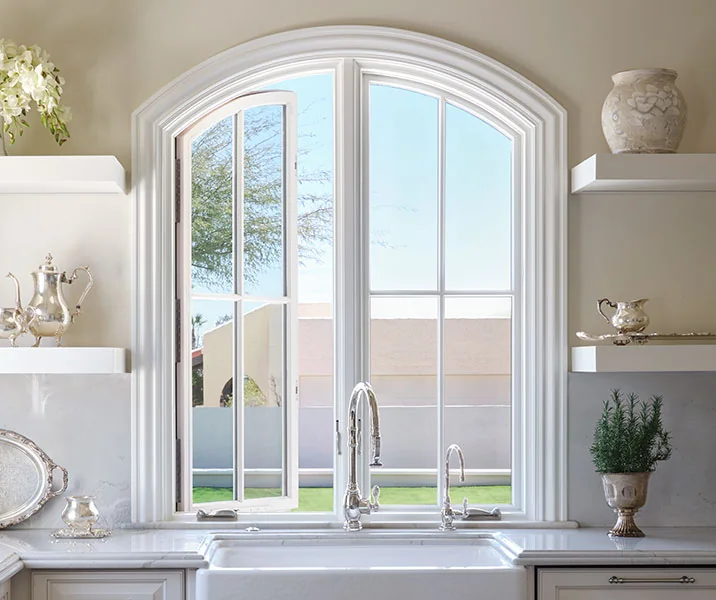
Casement windows are a favorite for Central Indiana kitchens, offices, living rooms, and view-focused openings because they swing outward, catch breezes, and can create a tighter seal than many older sash styles when installed correctly.
Popular window style
Casement windows solve the rooms where reach and airflow matter.
A casement window is hinged at the side and opens outward, usually with a crank or easy-slide operator. That makes it especially useful over kitchen counters, in offices, near patios, and in rooms where homeowners want more glass and more ventilation.
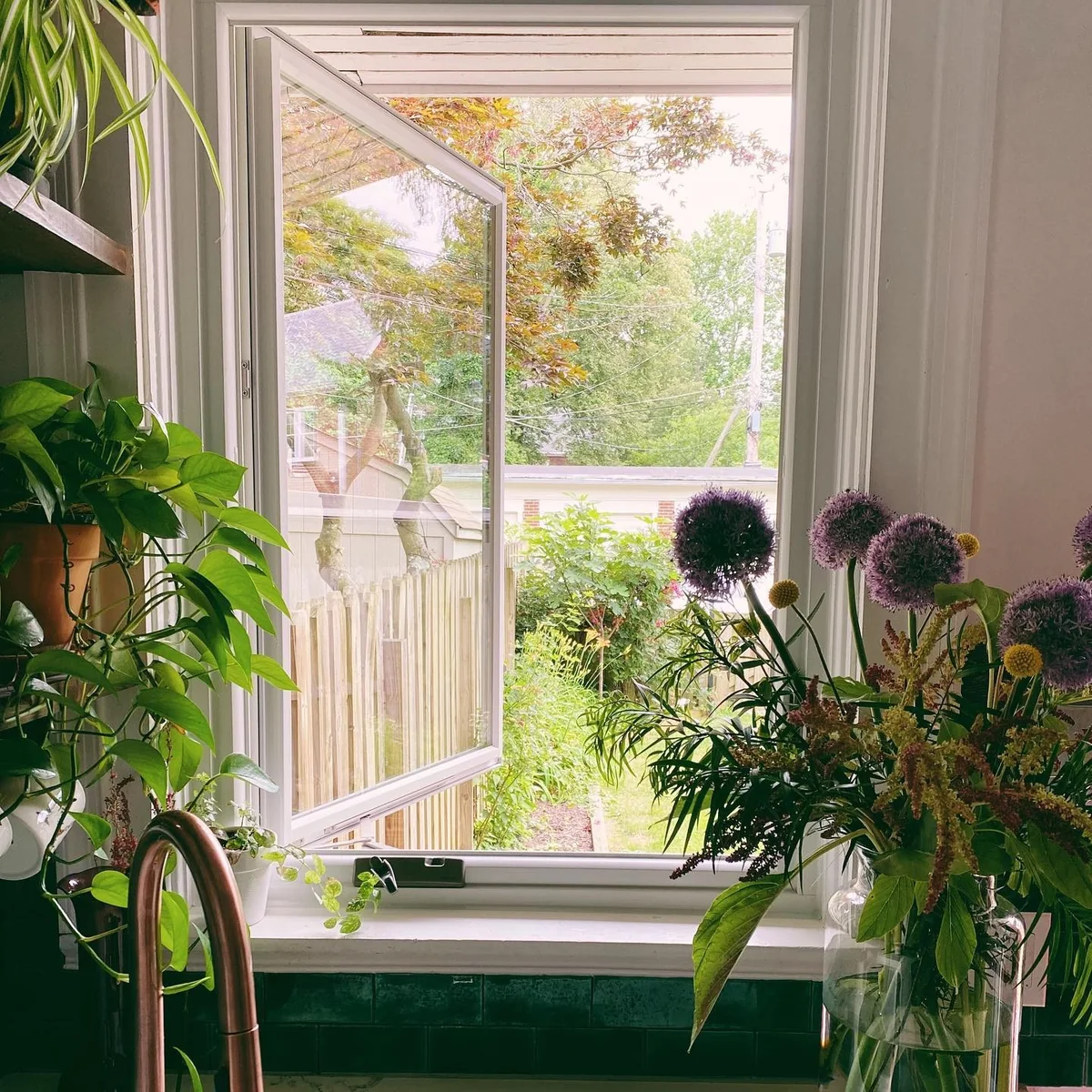
In Central Indiana, casements are often chosen to replace old fixed units, tired sliders, or hard-to-open windows above cabinets. Because the sash projects outward, the window can scoop passing air into the room and open wider than many traditional styles.
The fit is not universal. Walkways, decks, shrubs, porches, and exterior obstructions can limit where casements make sense. Hardware location also matters. A beautiful casement that is awkward to reach or blocked by a faucet will become frustrating fast.
Raptor Roofing evaluates casement windows around the room and the exterior. The right plan looks at hinge direction, screen placement, lock reach, grille style, color, glass performance, and whether a two-wide or three-wide casement group fits the wall.
Airflow
Opens wide to catch breezes
A side-hinged sash can pull air into kitchens, offices, and living areas when the window is placed well.
Seal
Compression-style closure
When locked correctly, casements can create a strong weather seal for windy Indiana conditions.
Views
Less sash interruption
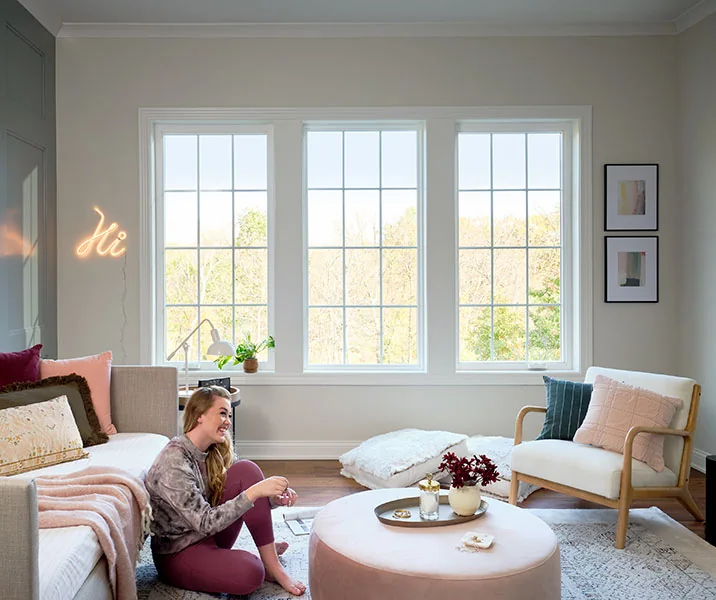
Many casements offer larger uninterrupted glass areas than comparable hung windows.
Placement
Exterior clearance matters
The swing path should be checked around decks, paths, landscaping, and neighboring windows.
Local fit
Where casement windows work best around Indianapolis.
Casements are especially useful in homes where homeowners want more ventilation from fewer openings. They fit many kitchens in Carmel, Fishers, Greenwood, Westfield, and older Indianapolis homes where counters make traditional sash windows harder to use.
- Kitchen sinks and counters where reach matters
- Bedrooms and offices that need controlled ventilation
- View-facing walls where glass area matters
- Rooms where old sliding or fixed windows feel limited
Indiana planning lens
Window fit depends on the room, the opening, and the exterior.
Raptor looks at drafts, failed seals, frame damage, sun exposure, ventilation needs, trim, siding, drainage, roofline details, and how the windows affect curb appeal.
The result is a recommendation that separates what should be replaced now, what can be phased, and which style or material actually fits the home.
Compare the options
Casement window choices that change daily use.
A better window consultation helps you compare style, material, glass, installation depth, and the practical details that affect comfort in Indiana weather.
| Decision | Best fit | Why it matters |
|---|---|---|
| Hinge direction | Left- or right-opening layouts | Determines airflow, cleaning access, and how the window works with furniture or exterior obstacles. |
| Hardware | Crank, fold-away handle, or easier operators | Important over counters or in rooms used by children or older homeowners. |
| Screen location | Interior screen planning | Casements often use interior screens, which affects view and room-side appearance. |
| Mulling | Single, twin, or triple casements | Changes view width, ventilation, price, and exterior proportions. |
Inspection priorities
Casement details Raptor checks before recommending the style.
Casements perform well when the opening, hardware, and exterior conditions support the outward swing.
Clearance
- Deck railings or walkways near the sash
- Shrubs or landscaping outside
- Roof overhang and water exposure
Hardware
- Cranks that interfere with blinds
- Locks that are hard to reach
- Operator quality and replacement access
Opening
- Rot around old frames
- Out-of-square walls
- Need for full-frame work instead of insert replacement
Raptor process
How Raptor turns a window question into a clear exterior plan.
The window type matters, but the decision gets easier when the inspection, photos, measurements, options, and tradeoffs are organized clearly.
Inspect
We review the opening, exterior swing path, frame condition, and room use.
Design
You choose hinge direction, material, color, grids, glass, screen, and hardware options.
Scope
The proposal includes trim, flashing, sealing, cleanup, and any needed exterior repairs.
Test
Every casement is checked for smooth operation, lock pull-in, screen fit, and clean weather seals.
Window FAQs
Casement windows questions Indiana homeowners ask.
Are casement windows good for Indiana weather?
Yes, when placed and installed correctly. Their compression-style locking can create a strong seal, but flashing and exterior clearance still matter.
Where should I use casement windows?
They are popular over kitchen sinks, in offices, in bedrooms, and on walls where homeowners want more open glass and airflow.
Do casement windows work with screens?
Yes. They usually use interior screens because the sash opens outward.
Can casements replace double-hung windows?
Sometimes. The opening, exterior clearance, egress needs, and exterior look should be reviewed first.
Are casement windows more expensive?
They can cost more than simple hung styles depending on size, hardware, material, and installation scope.
Can Raptor help choose hinge direction?
Yes. Hinge direction should be planned around airflow, reach, view, and exterior obstacles.
Free window inspection
Ready to compare casement windows for your Central Indiana home?
Tell Raptor what is going on with your windows. The team will review the openings, document visible issues, explain style and material options, and help you choose the next step with confidence.