
Active leak
Protect the room and limit further damage
Move valuables, avoid wet electrical fixtures, photograph the damage, and arrange reasonable temporary protection. Keep receipts and follow your carrier’s instructions.
Indiana roof damage & insurance decisions
Your roof first. Your policy second. A clear decision from there. Raptor Roofing documents what is happening on the roof, explains the roofing work, and gives you a practical estimate. Your insurer and policy decide coverage.
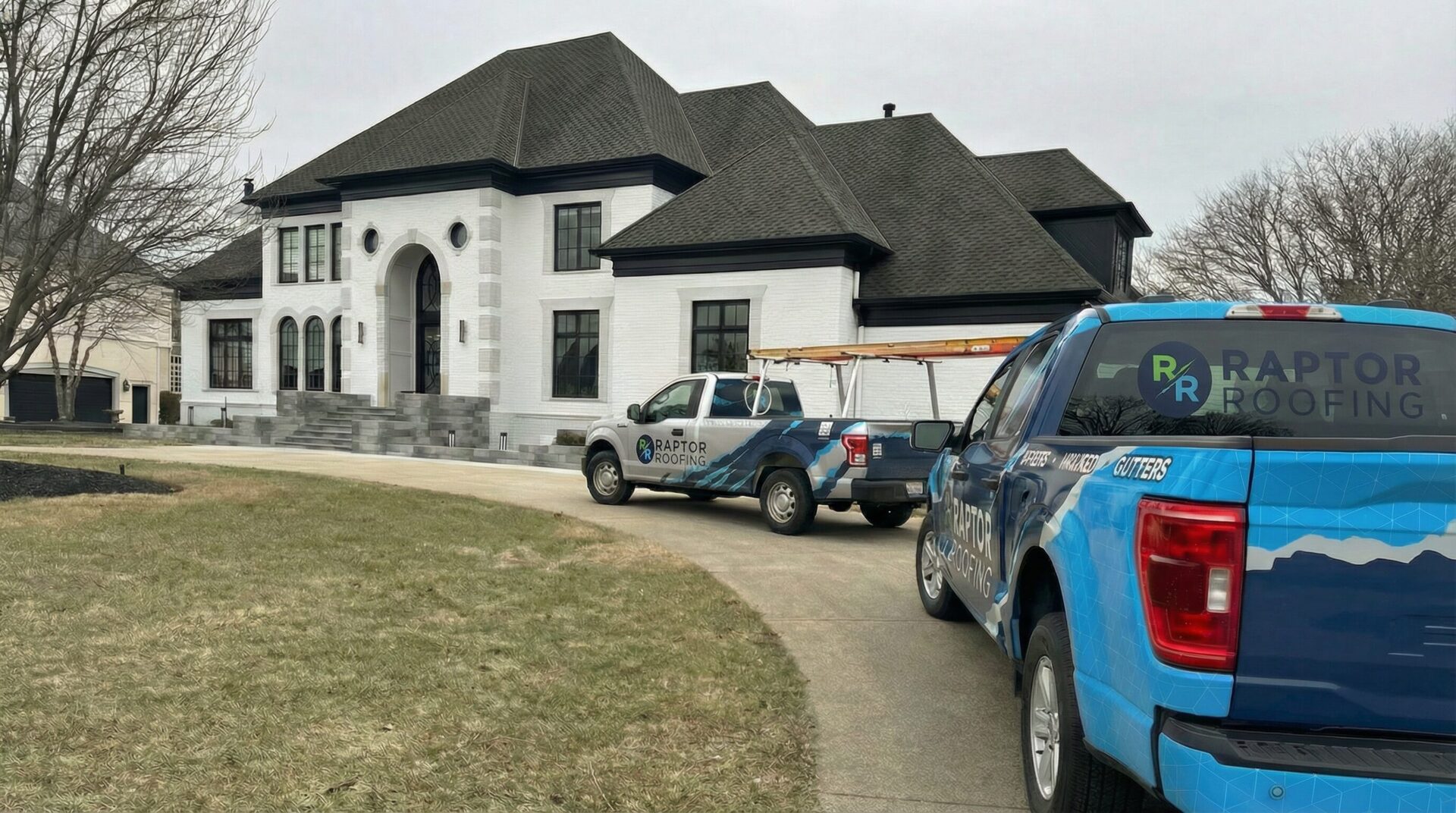
Start here
Protect the home, document what happened, review your policy’s notice requirements, and get a prompt roof inspection. The inspection should separate an isolated repair from widespread storm damage, normal wear, or a roof that is simply at the end of its useful life.
Do not begin with “Will insurance buy me a roof?” Begin with “What happened to my roof, what work is actually needed, and what does my policy require me to do next?” That keeps the roofing decision grounded in facts.
Active leak
Move valuables, avoid wet electrical fixtures, photograph the damage, and arrange reasonable temporary protection. Keep receipts and follow your carrier’s instructions.
Recent storm
Wind and hail can affect shingles, ridge caps, vents, gutters, soft metals, siding, and screens. One driveway photo rarely shows the complete scope.
Insurance notice
Confirm the reason, deadline, required proof, and whether repair or replacement documentation will satisfy the request before you make a rushed decision.
Claim or self-funded work
There is no honest one-size-fits-all answer. A small maintenance repair and a storm-damaged roof with widespread impacts should not be handled the same way.
| What the inspection shows | Questions to ask | Possible next conversation |
|---|---|---|
| Isolated flashing, pipe boot, or small repair | Is the likely repair cost close to or below the deductible? Is this wear or a sudden event? | A direct repair may be the practical path. Ask your agent or insurer if you are unsure about notice requirements. |
| Widespread wind or hail pattern | When did the storm occur? What elevations and components show damage? What does the policy say? | Discuss prompt notice with the insurer and keep complete photos, notes, and estimates. |
| Old roof with general wear | Is there a covered event, or is the roof simply near the end of its service life? | Replacement planning, financing, and material choices may matter more than a claim. |
| Carrier requests repair or replacement | What is the deadline? What proof is accepted? Is a roof inspection or invoice required? | Get the request in writing, inspect the roof, price the real scope, and send the required completion records. |
Who handles what
Raptor’s job is the roof: visible condition, leak sources, storm patterns, repairability, replacement scope, materials, installation details, and cost. Your insurer’s job is the policy: coverage, exclusions, deductibles, depreciation, payment timing, and claim decisions.
Inspection photos, roof-condition findings, repair or replacement recommendations, a roofing estimate, and completion documentation.
Whether the loss is covered, which deductible applies, whether the roof is ACV or RCV, filing deadlines, and what documents are required.
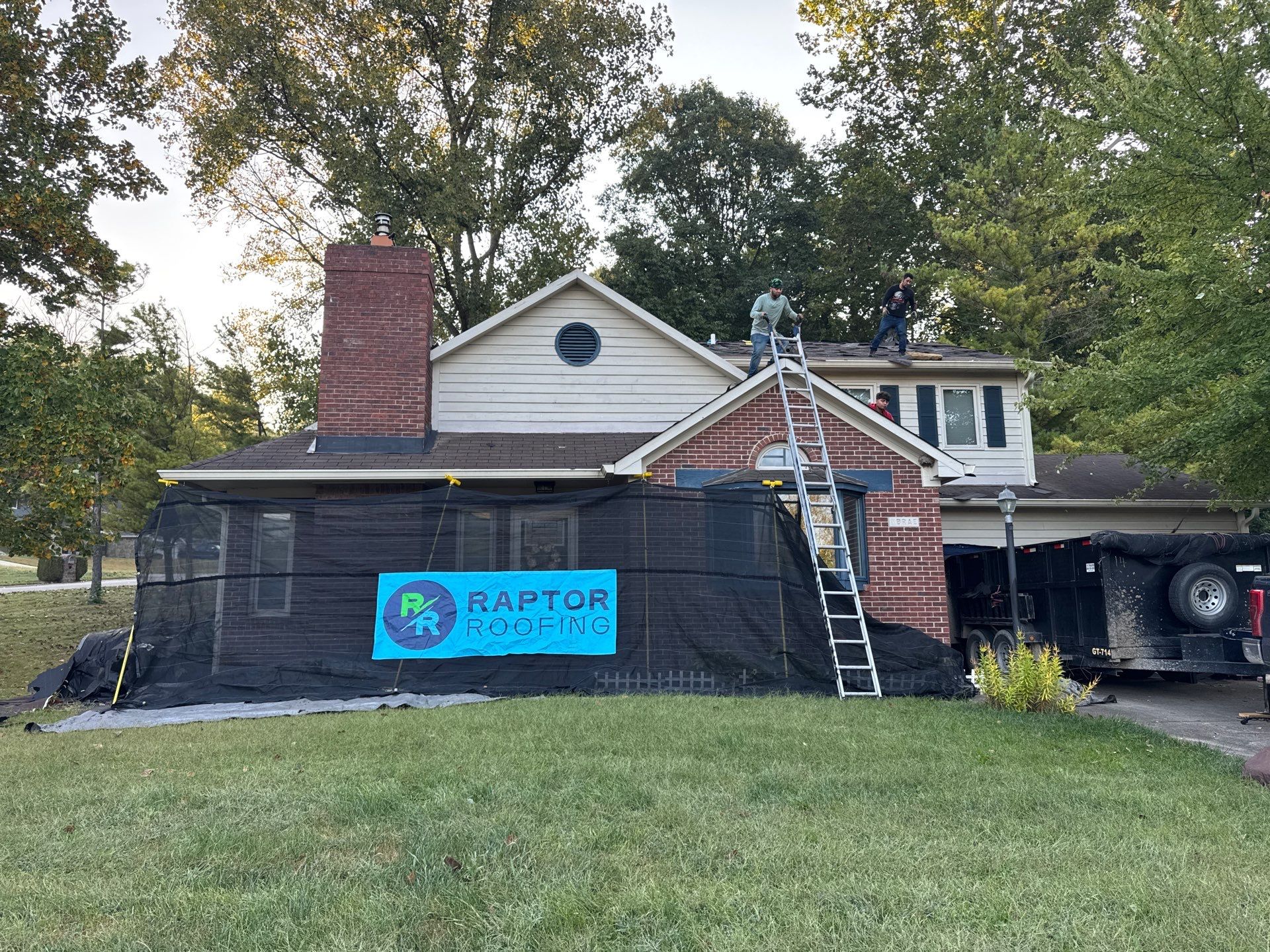
A calm four-step path
Keep the roof work and the insurance process connected without confusing their roles.
Address safety and reasonable temporary protection. Photograph conditions before anything changes.
Review roof slopes, flashing, vents, gutters, soft metals, leak clues, and the likely cause and scope.
Ask the insurer or agent about policy terms, deadlines, deductible, ACV or RCV, and required documents.
Choose repair or replacement based on the roof, then coordinate estimate, schedule, records, and final proof.
Homeowner decision center
Each guide answers one decision without repeating the others, then brings you back to the same practical starting point: inspect the roof and understand the real scope.
Before filing
Compare the damage pattern, likely cost, deductible, roof age, and policy questions before choosing a path.
Understand the estimate
See how depreciation, deductibles, and staged payments can change the amount shown on a roof estimate.
Prepare for the visit
Know what to document, what to keep, what each professional looks for, and what to request afterward.
Underwriting deadline
Confirm the written requirement, inspect the roof, compare solutions, and give the carrier clean completion records.
Indiana roof insurance FAQs
If the home is unsafe or actively leaking, protect it first and follow your policy's notice requirements. A prompt roof inspection can document the condition and help you understand the likely roofing scope, while only the insurer can decide coverage.
No contractor can make that coverage decision. Raptor can inspect the roof, photograph visible conditions, explain repair or replacement scope, and provide a roofing estimate. Your insurer and policy determine coverage and payment.
No. The right decision depends on the cause and scope of damage, the likely repair cost, your deductible, roof age, and policy terms. An inspection can give you better facts before you decide.
Actual cash value generally reflects replacement cost minus depreciation. Replacement cost value generally reflects the cost to repair or replace with similar materials without subtracting depreciation, subject to the policy, deductible, limits, and claim process.
Take reasonable temporary steps needed to prevent further damage, keep receipts, and document conditions. Indiana's Department of Insurance advises homeowners not to make permanent repairs before the insurer's inspection unless the carrier directs otherwise.
Raptor can document visible roof slopes, shingles, ridge caps, flashing, vents, gutters, soft metals, storm patterns, leak clues, and the roofing work that appears necessary. Coverage interpretation remains with the insurer or a properly licensed insurance professional.
Trusted homeowner resources
Policy language and claim requirements can change. These independent resources explain consumer rights, claim documentation, complaints, ACV, and RCV.
Start with the roof
Get a photo-documented look at the roof and a clear explanation of repair or replacement scope. If insurance is involved, you will have better roofing facts for the next conversation.