

The Premium Upgrade for Greenwood Homes
Central Indiana homeowners know how quickly an asphalt roof can fail. Brutal winters bring freeze–thaw cycles, heavy snow loads and ice dams, while spring unleashes hail and winds exceeding 60 mph. Summer heat bakes shingles until they crack or warp and fall leaves clog gutters in fall. A standard shingle roof typically lasts 15–20 years under these stresses.
Raptor Roofing’s stone-coated steel roofs are engineered to last 40–70 years, shrugging off hailstones the size of golf balls, winds up to 130 mph and Indiana’s extreme temperature swings. The system combines a steel core with stone granules to create a roof that looks like upscale shingles, shakes or tiles yet performs like metal.
As a locally owned, A+ BBB-rated company serving Greenwood since 2016, Raptor Roofing offers free inspections, transparent pricing and factory-certified installation to help homeowners make the right long-term investment.
Key Takeaways
What it is:
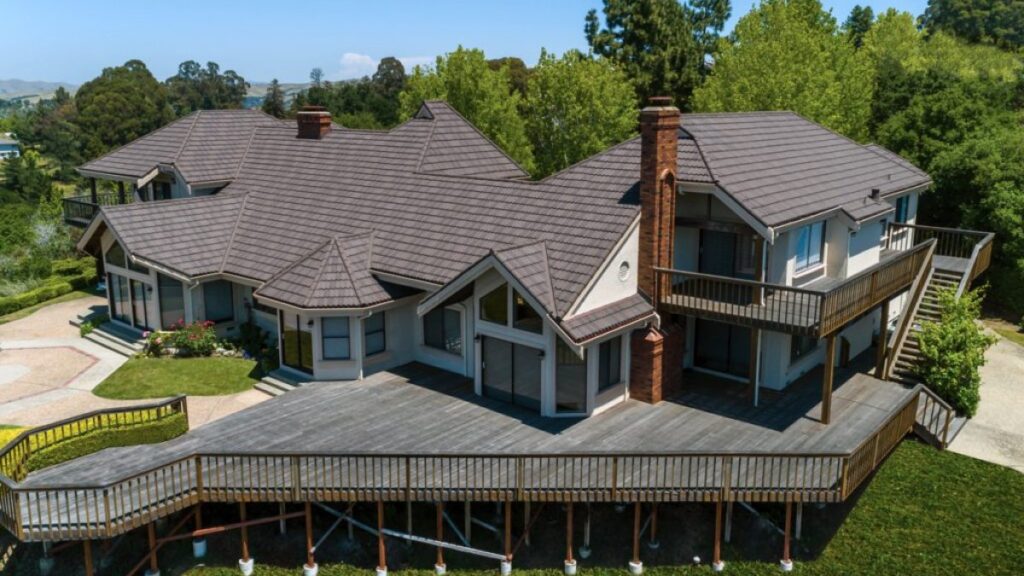
Stone-coated steel roofing is a hybrid system. Galvanized steel sheets are layered with protective coatings, stone granules and an overglaze. The result mimics the look of wood shake, slate or tile without the weight.
Durability:
Panels boast Class 4 impact resistance, Class A fire ratings and 130 mph wind ratings. They remain effective for 40–70 years—double or triple the life of asphalt shingles.
Weather performance:
The textured granules dampen rain noise and help shed snow. Reflective coatings lower cooling costs by up to 25%.
Cost:
In Indiana, installed stone-coated steel roofs average $7–$13 per square foot or $12,200–$25,900 total. A 2,000 sq ft roof typically ranges from $14,000–$26,000, with Indianapolis-area projects often reaching $22,000–$31,000.
Local advantage:
Panels withstand hail, wind and freeze–thaw cycles common in Indiana, making them ideal for Greenwood’s four-season climate.
Appearance:
Stone granules come in a wide range of colors and profiles, complying with HOA rules while preserving curb appeal.
What Is Stone-Coated Steel Roofing?
Stone-coated steel roofing combines the strength of steel with the texture of natural stone. Manufacturers begin with stamped steel sheets shaped like shingles, shakes or tiles. These sheets are coated with a zinc-aluminum alloy for corrosion resistance, layered with epoxy and acrylic resins, and finished with embedded natural stone granules sealed under an overglaze.
The stone granules provide color, UV protection and sound dampening by dispersing raindrop impact.
Unlike standing seam or exposed-fastener metal roofs that use long panels with visible seams, stone-coated systems use interlocking shingles with concealed fasteners, creating a traditional appearance while maintaining metal durability.
Compared to architectural asphalt shingles, stone-coated panels use a steel core instead of an organic base. The result is a lightweight roof (approximately 1.5 lbs per square foot) that can often be installed over existing shingles and delivers decades of performance.
Why Stone-Coated Steel Roofing Is Ideal for Indiana Homes
Hail and Impact Resistance
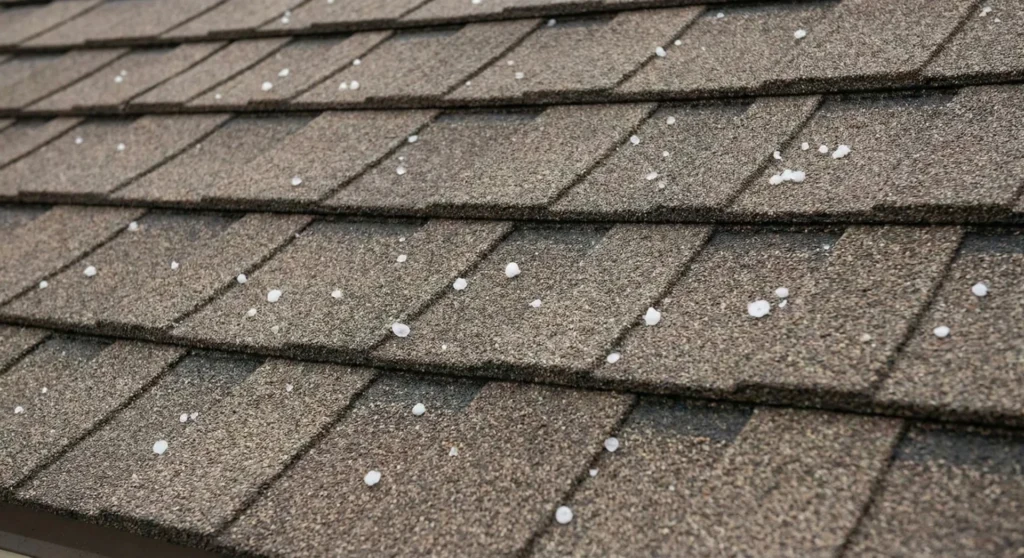
Central Indiana regularly experiences hailstorms and strong spring winds. Stone-coated steel roofs carry the highest Class 4 impact rating and withstand hailstones up to baseball size. The steel core and stone granules absorb impact without cracking or granule loss.
Wind Uplift and Storm Protection
Stone-coated systems interlock on all sides and are rated for 120–130 mph winds. Concealed fasteners resist uplift, and the panels’ weight helps anchor the roof during severe storms.
Freeze–Thaw Durability
Asphalt shingles absorb moisture and degrade during freeze–thaw cycles. Stone-coated steel does not absorb water, sheds snow efficiently and reduces ice dam formation, protecting roof decking during temperature swings.
Heat Reflection and Energy Efficiency
Indiana attics can exceed 150°F in summer. Stone-coated steel reflects solar radiation, reducing cooling demand. Reflective coatings and optional batten installation create airflow that improves ventilation and lowers heat transfer.
Quiet Performance
Despite common misconceptions, stone-coated steel roofs are no louder than asphalt shingles. The stone granules and underlayment dampen sound, creating a quiet interior environment during rainstorms.
Stone-Coated Steel vs. Other Roofing Options
| Roofing Type | Lifespan & Durability | Maintenance & Weather Resistance | Appearance & Cost |
|---|---|---|---|
| Stone-Coated Steel | 40–70 years; Class 4 impact; up to 130 mph winds; freeze–thaw resistant | Minimal maintenance; resists algae and moss; interlocking panels shed snow | Mimics shingles, shakes and tile; $7–$13 per sq ft |
| Architectural Asphalt Shingles | 15–20 years in Indiana climate | Prone to hail, algae and cracking; ongoing maintenance | Wide color selection; $4–$6.50 per sq ft |
| Standing Seam Metal | 40–70 years; strong wind resistance | Requires specialized installation; possible oil canning | Modern appearance; similar cost to stone-coated |
| Exposed-Fastener Metal | 30–50 years | Fasteners require regular inspection | Agricultural look; lower cost |
| Premium Architectural Shingles | 25–30 years | Improved wind resistance but still hail-susceptible | Attractive profiles; moderate cost |
Stone-Coated Steel Roofing Cost in Greenwood, IN
Typical Price Range
Stone-coated steel roofing costs $7–$13 per square foot installed, with total projects averaging $12,200–$25,900. Homes between 1,500–2,500 sq ft typically fall in the $14,000–$32,500 range. Indianapolis-area pricing often lands between $22,000–$31,000.
Factors Affecting Cost
- Roof size and complexity: Steep pitches, hips and valleys increase labor and safety requirements.
- Tear-off vs. overlay: Removing old roofing adds $1–$3 per sq ft but allows deck inspection.
- Panel profile: Shake and tile profiles cost more than basic shingle styles.
- Installation method: Batten systems improve efficiency but increase cost.
- Brand and warranty: Premium systems offer stronger warranties and tested storm performance.
The Value Perspective
Although upfront costs exceed asphalt roofing, stone-coated steel often replaces two or three asphalt roofs over its lifespan. Energy savings, reduced maintenance and potential insurance discounts significantly improve long-term value. Financing options allow homeowners to spread costs transparently over time.

Installation Process: Precision Matters
Raptor Roofing follows a manufacturer-approved process performed exclusively by factory-certified installers.
- Free inspection and consultation
- Customized proposal with materials, colors and warranties
- Preparation and scheduling with property protection
- Tear-off and deck repairs
- Underlayment and flashing installation
- Stone-coated panel installation with concealed fasteners
- Ventilation and finishing touches
- Cleanup and final inspection
Common Myths About Stone-Coated Steel Roofing
| Myth | Reality |
|---|---|
| “It’s noisy in the rain.” | Stone granules and solid decking dampen sound. |
| “It dents easily.” | Class 4 panels withstand baseball-sized hail. |
| “Metal roofs look like barns.” | Profiles mimic shingles, shake and tile. |
| “Steel rusts.” | Zinc-aluminum coatings and granules prevent corrosion. |
| “HOAs won’t allow it.” | Traditional appearance meets most HOA guidelines. |
| “It’s too heavy.” | Weighs about 1.5 lbs per sq ft. |
| “It costs too much.” | Long lifespan and energy savings lower lifetime cost. |
Residential Applications & Styles
Shingle-Style Panels
Dimensional appearance with layered depth for classic neighborhoods.
Shake-Style Panels
Rustic cedar-shake look with superior durability.
Tile-Style Panels
Mediterranean curves with lightweight metal performance.
HOA-Restricted Neighborhoods
Traditional aesthetics that meet architectural standards.
Why Homeowners Choose Raptor Roofing
- Local expertise serving central Indiana since 2016
- A+ BBB rating and five-star customer reviews
- Factory-certified installers with no subcontractors
- Free inspections, transparent pricing and financing
- Insurance claim support after storm damage
Signs It’s Time to Upgrade to Stone-Coated Steel
- Hail or wind damage
- Constant repairs
- Rising energy bills
- Moss or algae growth
- HOA-approved material upgrades
FAQs
How long does stone-coated steel roofing last?
40–70 years with proper installation.
Is stone-coated steel worth the cost in Indiana?
Yes. Durability, energy savings and insurance benefits often outweigh upfront cost.
Is it quieter than other metal roofs?
Yes. Noise levels are comparable to asphalt shingles.
Does it increase home value?
Metal roofing can increase resale value by up to 6%.
Can it be installed over existing shingles?
Often yes, though tear-off is recommended for inspection.
Is it HOA-approved?
Frequently approved due to traditional appearance.
What maintenance is required?
Minimal inspections and gutter cleaning.
Does it rust?
No. Multi-layer coatings prevent corrosion.
Can panels be repaired?
Yes, individual panels can be replaced.
Does it come in different styles?
Shingle, shake and tile profiles in many colors.
Ready for a Free Stone-Coated Steel Consultation?
Raptor Roofing provides free inspections and expert guidance for Greenwood homeowners considering stone-coated steel roofing. With certified installation, quality materials and deep local experience, our team delivers roofs built to withstand Indiana’s toughest weather while enhancing long-term value and curb appeal.