
When you pull up to a home, the exterior is the first thing that catches your eye. The siding you choose plays a significant role in creating that initial impression, and modern options offer homeowners more variety than ever before. Whether you’re building a new home or refreshing an existing property, understanding today’s siding choices can help you make decisions that enhance both beauty and value.
The siding market has evolved considerably, moving beyond traditional materials to include innovative solutions that combine aesthetics with practical benefits. Each option brings its own character to a home’s exterior, from classic looks that honor architectural heritage to contemporary finishes that make bold statements. Let’s explore seven modern siding options that can transform your home’s appearance and create the curb appeal you’ve been envisioning.
Fiber Cement Siding
Fiber cement has gained popularity among homeowners who want versatility without compromise. This manufactured material can mimic the appearance of wood, stucco, or masonry, giving you design flexibility while offering different performance characteristics than natural materials. One reason fiber cement resonates with homeowners is its ability to replicate traditional textures convincingly. You can achieve the warmth of wood grain or the smoothness of contemporary panels, all while benefiting from a material engineered for consistency. The color options range from subtle neutrals to vibrant hues, and the finish holds up well over time when properly maintained. Homeowners often appreciate that fiber cement doesn’t require the same level of upkeep as some natural materials. No siding is maintenance-free. Review the selected product’s cleaning, finish, and installation requirements; James Hardie’s installation guidance includes product-specific clearance and flashing information. When you invest in quality siding installation, fiber cement can provide years of reliable performance with occasional cleaning and inspection.
Engineered Wood Siding
Engineered wood offers a middle ground between solid wood and synthetic materials. It’s created by binding wood fibers or strands together, resulting in panels that showcase natural beauty while addressing some concerns associated with traditional lumber. The grain patterns and texture of engineered wood provide authentic visual appeal. Many homeowners find this option particularly attractive when they want their home to maintain a connection to natural materials. The manufacturing process allows for consistent sizing and fewer imperfections than you might encounter with solid wood planks. Engineered wood comes in various profiles and finishes, from smooth contemporary looks to rustic textures. This variety means you can match your home’s architectural style, whether you’re working with a craftsman bungalow or a modern farmhouse design.
Vinyl Siding
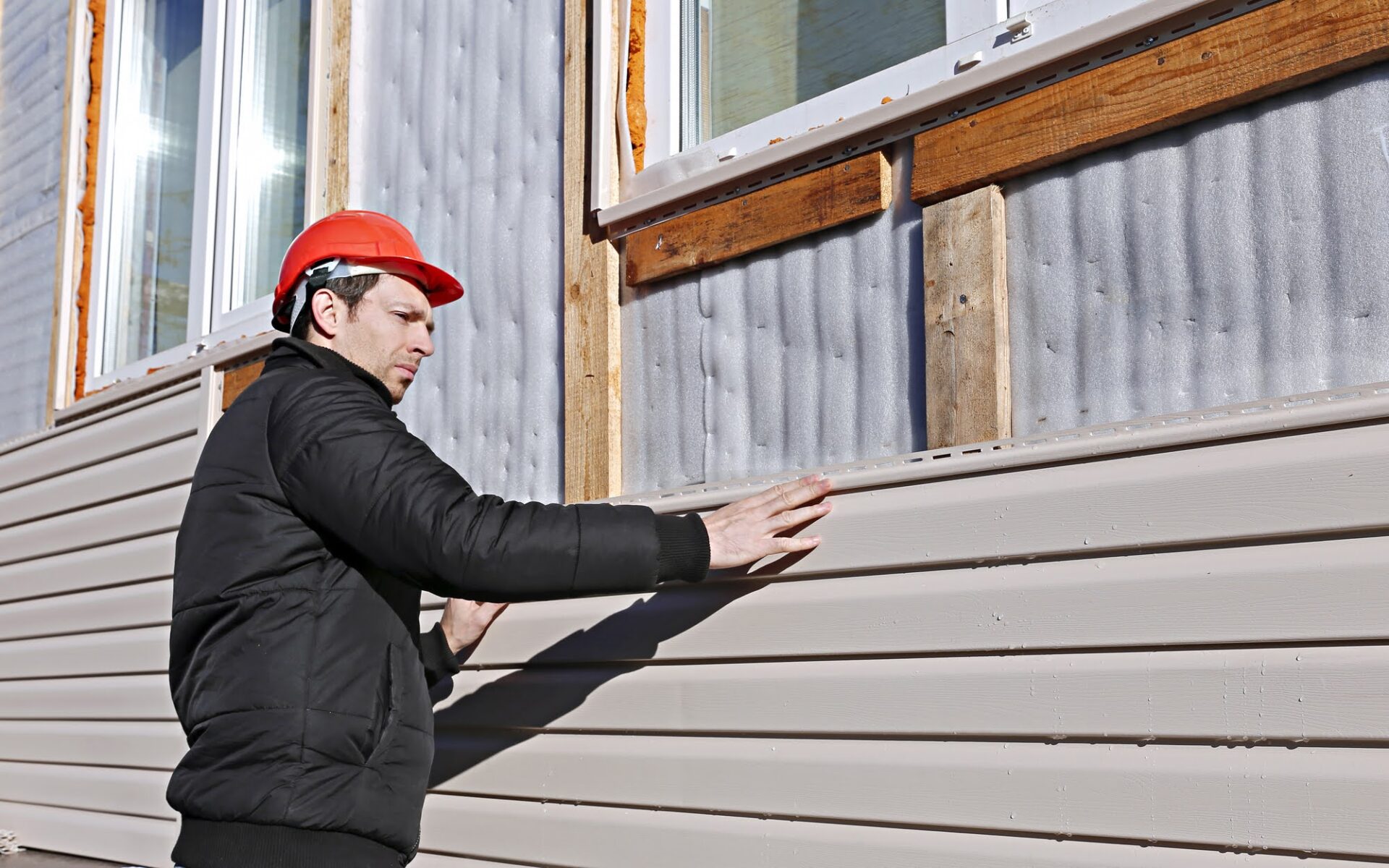
Vinyl remains one of the most popular choices for residential exteriors, and modern versions have come a long way from earlier generations. Today’s vinyl siding offers improved color retention, texture variety, and profile options that appeal to diverse tastes. Contemporary vinyl siding provides an extensive palette of colors and finishes. You’ll find everything from classic whites and creams to bold accent colors that can highlight architectural details. The material can be formed into different shapes and textures, including options that resemble wood shakes or vertical boards. Many homeowners choose vinyl for its balance of appearance and practicality. Vinyl does not rot like wood and typically does not need repainting, but it still needs cleaning, sound fastening, and room for thermal movement. Concentrated reflected sunlight can distort vinyl; the Vinyl Siding Institute explains this heat-distortion risk. Ask about unusual heat exposure and the specific product warranty before selecting it. The lightweight nature also makes handling and installation more straightforward compared to heavier alternatives.
Metal Siding
Metal siding has moved beyond commercial and industrial applications to become a striking choice for residential homes. Aluminum and steel panels can create sleek, modern exteriors or complement traditional designs when styled appropriately. Metal panels bring a distinctive aesthetic that works particularly well with modern and minimalist architecture. The clean lines and crisp appearance can make a home stand out in neighborhoods dominated by more traditional siding materials. You can choose from smooth finishes or textured surfaces, depending on the look you’re pursuing. Modern metal siding comes in various coatings and colors, including matte, glossy, and even weathered finishes that develop character over time. Some homeowners embrace the natural patina that develops on certain metals, while others prefer factory-finished options that maintain their original appearance.
Natural Wood Siding
Despite the rise of engineered alternatives, natural wood siding continues to captivate homeowners who value organic materials. Cedar, redwood, and pine each bring distinct grain patterns and color variations that synthetic materials can’t fully replicate. Wood siding offers warmth and character that many consider unmatched. Each board displays unique grain patterns, creating a one-of-a-kind exterior. The natural material ages gracefully when cared for, developing a patina that adds depth and interest to your home’s facade. Wood accepts stains and paints beautifully, allowing you to refresh your home’s appearance over time. You can choose from horizontal lap siding, vertical board-and-batten, or decorative shingles to create the exact look you envision.
Composite Siding
Composite materials blend various elements to create siding that aims to capture the best qualities of different materials. These products often combine wood fibers with polymers or other binders to achieve specific aesthetic and performance goals. Composite siding offers a middle path for homeowners weighing various priorities. The material typically provides better moisture resistance than solid wood while maintaining a more natural appearance than fully synthetic options. Manufacturers continue developing new composite formulations and finishes, expanding the range of looks available. You’ll find options that lean toward traditional wood aesthetics as well as more contemporary smooth finishes.
Brick Veneer Siding
Brick veneer brings the classic appeal of masonry to homes without requiring full structural brick construction. Thin brick panels or individual brick slips attach to the exterior, creating an authentic brick appearance. Brick has represented solidity and permanence in architecture for centuries. Modern brick veneer options let you achieve this timeless look on various home styles, from colonial to contemporary. The color variations within natural clay create visual interest that flat materials can’t match. You can use brick veneer across your entire home or as an accent material combined with other siding types. This flexibility allows you to create visual interest by mixing textures and materials on different sections of your exterior.
Before choosing a material, compare an actual sample beside your roof, brick, trim, and gutters in daylight. Ask for the product name, profile, finish, and maintenance instructions so proposals describe the same system. A written scope should explain removal of existing siding, the plan for damaged sheathing, water-resistive barriers, flashing at windows and doors, trim, penetrations, and disposal. Clarify how hidden repairs will be priced and approved. Compare material and finish warranties separately from the installer’s workmanship coverage. These seven materials are a starting point for comparison; availability, installation requirements, and suitability vary by property. Request a siding assessment to discuss the options Raptor can provide for your home, and bring photos of leaks, loose panels, or recurring stains as well as the look you want.
Frequently Asked Questions
How often should siding be replaced on a home?
Most siding materials can last many years when properly maintained, though the lifespan varies by material type and local weather conditions. Regular inspections can help you identify when repair or replacement becomes necessary before minor issues become major problems.
Can different siding materials be mixed on the same home?
Combining siding materials has become a popular design approach that adds visual interest and can highlight architectural features. Many homeowners use one material as a primary choice and incorporate accent sections with complementary materials.
Does darker siding make a home hotter inside?
Color can influence how much heat your exterior absorbs, though factors like insulation, ventilation, and window placement typically play larger roles in interior comfort. Many modern siding materials include features that help manage temperature regardless of color choice.
What should I consider when matching siding to my roof?
Creating harmony between your roof and siding involves considering color relationships, texture contrast, and the overall style you want to achieve. Some combinations create bold contrast while others aim for subtle coordination.
How do I know which siding option fits my home’s architectural style?
Different architectural styles traditionally pair with certain materials, though contemporary design often breaks these conventions creatively. Researching homes with similar architecture and consulting with design professionals can help you identify options that either honor or thoughtfully update your home’s character.